

























































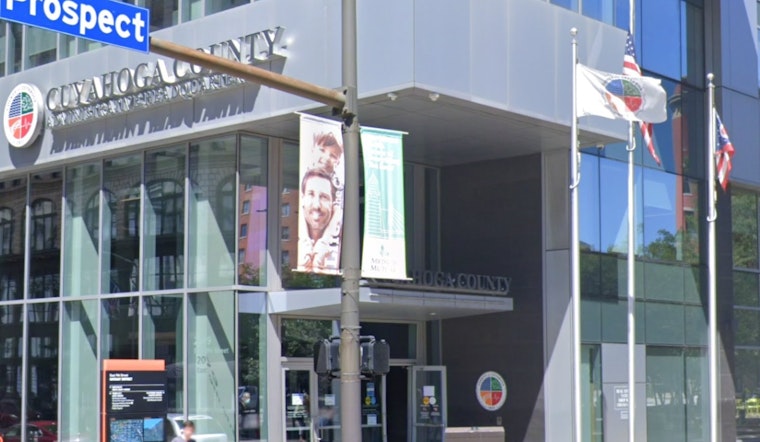
Cuyahoga County's internal watchdogs say they are stretched too thin to keep inspecting every corner of county government on the current schedule, and they are ready to ask for more time on the clock.
Internal Audit Director Cory Swaisgood plans to tell the county's Audit Committee in May that his office cannot realistically review every department within the existing five-year rotation. He will recommend moving to a seven-year audit cycle, a shift he says would cut the number of routine full audits while freeing up staff to dig deeper into the county's riskiest operations.
Staffing Crunch and Audit Hours
According to the Cuyahoga County Department of Internal Auditing's 2026 Audit Plan Report, a fully risk-based schedule would require about 7,030 direct audit hours. The 2026 budget, however, funds only 6,180 direct hours.
To make that work, the plan calls for five audit staffers handling direct testing and fieldwork, while the director shoulders most of the indirect work such as reviews and stakeholder outreach. The report calculates that delivering every planned engagement under a full-coverage strategy would take roughly 0.68 more full-time auditors or around 850 hours of outsourced audit help.
Why the Change Is on the Table
Swaisgood told Cleveland.com he "does not have the manpower" to examine every department within five years and still give extra attention to the highest-risk areas. With the math working against him, he said he has to prioritize and will formally lay out his proposed seven-year cycle to the Audit Committee in May.
What Auditors Covered Last Year
The audit plan notes that the Department of Internal Auditing released 11 reports tied to its 2025 audit plan. Over the last five years, auditors report they have reviewed about 71% of the county's 105 auditable units and 90% of the areas they rated as high risk.
Even so, several planned projects were pushed off in 2025 because of limited resources, including multiple IT audits and some sheriff contract reviews, according to the plan. Those deferrals are a big reason at least 15 county units have never been examined under the current five-year cadence.
Red Flags Found
Recent work has turned up some small but telling problems. Auditors flagged 17 credit-card charges that appeared to have been split across four departments to stay under the county's $999 daily card limit, and among 45 reimbursement samples they found two receipts showing roughly 40% tips by sheriff's employees, Cleveland.com reported.
"Catching minor violations early prevents them from becoming material problems," Swaisgood told the outlet, arguing that the office's limited time is better spent chasing higher-risk trouble spots than racing a calendar.
What's Next
Swaisgood is expected to present his recommendation at the Audit Committee's May meeting, which is listed on the Cuyahoga County Audit Committee page.
If the committee and county council sign off on a longer cycle, the auditing office says it will lean more heavily on continuous-monitoring checks, targeted reviews and co-sourcing arrangements to keep an eye on purchases and reimbursements between full audits. County leaders will have to decide whether fewer but deeper dives, backed up by those stopgap tools, give taxpayers more protection than the current faster rotation.





