

























































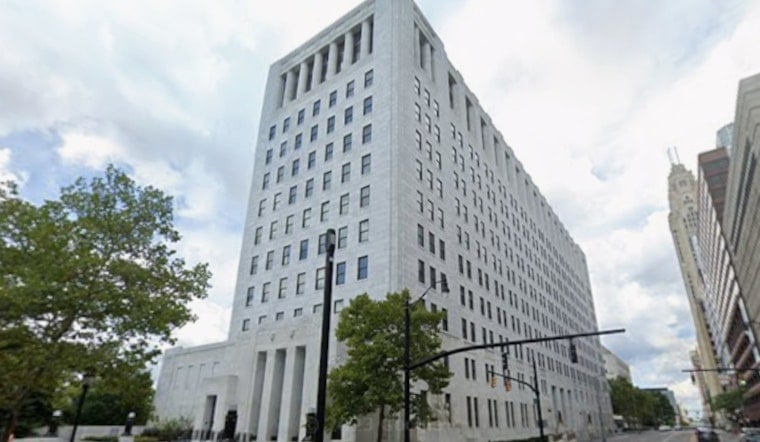
On April 29, 2026, the Ohio Supreme Court unanimously ruled that American Electric Power does not have to refund nearly $75 million ($74.5 million) that customers paid in 2018-2019 through a Public Utilities Commission of Ohio (PUCO) approved power-purchase rider tied to two 1950s-era Ohio Valley Electric Corporation (OVEC) coal plants. The decision leaves intact a regulator finding that the charges were prudent when imposed, even though later audits showed the plants often operated at a loss.
What the Court Said
In a 42-page opinion, the justices affirmed PUCO’s adoption of an independent audit and concluded the commission did not act unlawfully or unreasonably by crediting evidence that OVEC’s "must-run" strategy was prudent at the time decisions were made. The court also turned aside procedural claims that PUCO staff improperly influenced the auditor and declined to disturb precedent that largely bars retroactive refunds, as the Supreme Court of Ohio wrote.
Which Plants and the Numbers at Stake
The fight centered on AEP’s share of costs for OVEC’s Kyger Creek plant in Cheshire, Ohio, and the Clifty Creek plant in Madison, Indiana, and on roughly $74.5 million collected through the rider for 2018-2019. Auditors found OVEC’s generation cost ratepayers more than wholesale market alternatives and showed the rider produced more than $135 million in charges during its early years, but concluded AEP’s oversight and documentation were largely adequate, according to reporting from WOSU Public Media.
How Consumers and Advocates Reacted
Consumer advocates called the ruling a setback for households that had hoped for refunds after audits showed the plants lost money. "We deserve to pay bills we owe, not ones we don't," said AEP customer and government-accountability advocate Catherine Turcer. Some lawmakers and industry attorneys, meanwhile, argued the plants support jobs and fuel diversity, as reported by News 5 Cleveland.
Legislative Context
Lawmakers moved last year to strip the OVEC subsidies from state law. House Bill 15 was signed in mid-May 2025, and most of its provisions took effect that summer, ending future collections of the rider while leaving prior charges subject to legal challenge. For background on the repeal and the policy debate that led to it, see reporting from E&E News and earlier Hoodline coverage of House Bill 15.
Money and Accountability
The ruling arrives as critics highlight sizable corporate payouts even while ratepayers shoulder added costs: an analysis of corporate filings found AEP’s CEO earned roughly $36.6 million in 2025. AEP Ohio, for its part, framed the court’s opinion as a protection for certain tenants and praised the decision as reinforcing regulatory stability. See the Energy & Policy Institute analysis and a company statement from AEP Ohio.
Legal Implications
The opinion leaves in place Ohio precedent that generally forecloses retroactive refunds after charges have been collected and reiterates that courts may overturn a PUCO order only if it is unlawful or unreasonable. Consumer advocates warn that this gives ratepayers little judicial relief for past over-collections and underscores why they pushed for the statutory repeal enacted in 2025, a point made repeatedly by the Office of the Ohio Consumers’ Counsel in filings. For the court’s reasoning and the OCC’s position, see the Supreme Court of Ohio opinion and material from the Office of the Ohio Consumers' Counsel.
What’s Next
The decision wraps up the immediate appeals over the 2018-2019 rider audits, but advocates say the fight over accountability is far from over. They expect the next rounds to play out in rulemaking, future PUCO proceedings, and at the legislature. The court’s opinion and case materials are publicly available, and summaries and commentary are posted by court-news services for readers who want the full docket and legal analysis. See Court News Ohio for case details and links to the full opinion.





