

























































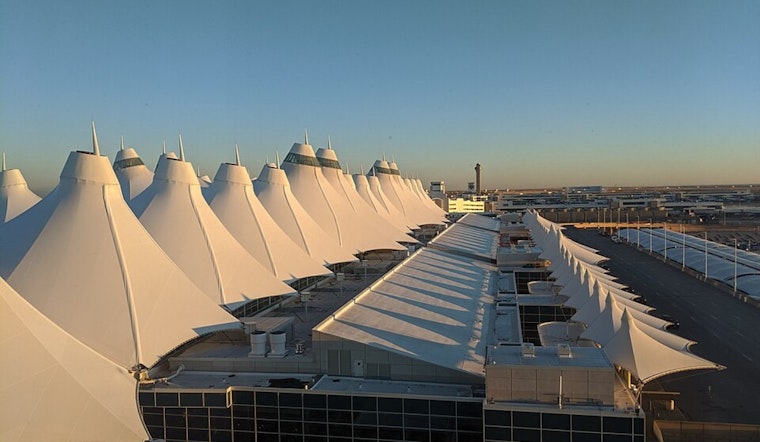
An overnight burst of wet snow collided with peak spring break traffic at Denver International Airport on Sunday, March 15, triggering hundreds of delays and cancellations and leaving travelers parked at gates instead of blasting off. By late afternoon, flight trackers showed roughly 389 flights delayed and 57 canceled across the hub as crews tried to clear slushy runways and shuffle aircraft back into place.
According to flight-tracking tallies from FlightAware, cancellations stacked up more heavily on arriving flights, while delays skewed toward departures. That imbalance created a traffic jam in the system as airlines struggled to get planes and crews where they were supposed to be. The result was long waits at gates, missed connections and a daylong scramble to rebook travelers and patch together broken schedules.
Which Airlines Took The Biggest Hit
Live data from FlightAware showed Southwest with roughly 128 delays and 21 cancellations, United with about 105 delays and five cancellations, and regional carrier SkyWest logging 88 delays and 15 cancellations. Frontier tallied 28 delays and three cancellations, with smaller disruption counts for American and Delta.
The mix of late inbound aircraft, deicing requirements and limited runway capacity left planes and flight crews out of position. As the day wore on, that translated into rolling delays for later departures, hitting travelers with tight connections especially hard as airlines tried to juggle seats, crews and equipment.
Storm And Spring Break Rush Made A Rough Combo
Denver International had already warned that March 11 through 29 would be a crunch period, with a FlyDenver release projecting more than 1.3 million passengers passing through security during that stretch. As reported by The Denver Post, the overnight system dropped light snow across the metro area, generally between 1 and 5 inches, while the airport itself picked up just under an inch.
That was enough to increase deicing needs and keep plows moving, which ate into already tight arrival and departure windows. With few open slots available to absorb late aircraft during such a busy travel period, the hub’s recovery dragged as airlines worked to untangle the lineup of jets and passengers.
What Travelers Can Do If They Are Caught In The Mess
For passengers whose plans were upended, the first move is to check the airline’s app or website for rebooking options, new departure times and gate changes. Hang on to receipts for any out-of-pocket expenses in case your carrier offers reimbursement or credits later.
If you still need to head to the airport, build in extra time and expect longer security lines during peak hours. For persistent problems or complex itineraries, your best bet is to talk with an airline agent at the gate or customer service desk, where airport and airline staff spent Sunday afternoon working to get travelers moving again.



