

























































A revamped "Starter Homes Act" moving through the Minnesota House is taking direct aim at how cities control development, narrowing local zoning authority and nudging denser, smaller housing types into neighborhoods across the state. The proposal is designed to make room for accessory dwelling units, townhomes, and otherso-calledd "missing middle" housing, while trimming back some local design rules. Backers say it could finally open more doors for first-time buyers; critics see it as a statewide override of local planning dressed up as housing reform.
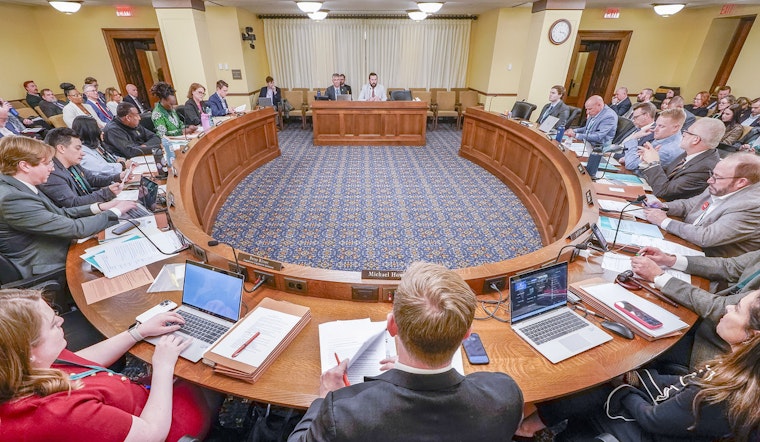
HF3895, sponsored by Rep. Spencer Igo, came before the House Housing Finance and Policy Committee on March 3 in an informational hearing that also featured Rep. Larry Kraft. As reported by House Session Daily, supporters argued that permitting delays and local design requirements push up land costs and quietly kill otherwise viable projects. Opponents countered that the bill hands too much power to developers and heaps new administrative work on city staff. "This bill is the exact opposite of one size fits all," Rep. Michael Howard told the committee, calling it "more of a do it your own way."
What The Bill Would Actually Do
According to the bill text posted by the Revisor of Statutes, HF3895 would require every municipality to allow at least one accessory dwelling unit on any single-family lot. It would set up an administrative approval process with short timelines for mixed housing and multifamily applications, and it would prohibit certain local design standards for residential buildings with four or fewer units. The measure would also bar cities from conditioning project approvals on the creation of homeowners associations and would limit lot size and bulk regulations that effectively block missing middle housing. The effective date in the bill is January 1, 2028, giving cities a deadline to adjust.
A Zoning Menu Cities Have To Order From
The proposal lays out a kind of menu of zoning and policy changes that cities can choose from to increase density and loosen rules, then ties how many items must be selected to the city size. First-class cities would have to meet at least six criteria, second-class cities at least four, and smaller cities at least three. Options include increasing floor area ratios and building heights, allowing eight-unit buildings on a portion of land currently reserved for single-family homes, eliminating parking minimums, creating local housing trust funds, or offering upfront subsidies capped at $500,000 per unit. The bill would also require municipalities to publish maps and a compliance summary so residents can see exactly where mixed and multifamily housing is allowed.
Cities Push Back On State Preemption
City officials and planning staff warned lawmakers that the proposal amounts to state preemption of local zoning and would be expensive to implement and enforce. Hugo City Administrator Bryan Bear told House Session Daily that his city already allows small lots, missing middle housing, and accessory units, yet has not seen builders deliver more affordable homes. Instead, he said, some developers are taking duplexes and converting them into single-family properties. Rep. Larry Kraft defended the bill, saying cities would not be forced to approve projects in locations where infrastructure is lacking or where protections for public health, the environment, or scenic areas make development impractical.
What Comes Next At The Capitol
The March 3 hearing was informational only, so HF3895 still has to work its way through the committee process before any floor vote this session. Along the way, the bill could be amended, and if it advances, municipalities and builders would get a runway to revise local ordinances ahead of the 2028 effective date. That timeline could reshape where smaller homes and ADUs are allowed across both metro and outstate communities. Lawmakers and advocates say the debate will reveal whetherstate-levell rules or local control end up playing the bigger role in unlocking Minnesota's supply of starter homes.





