

























































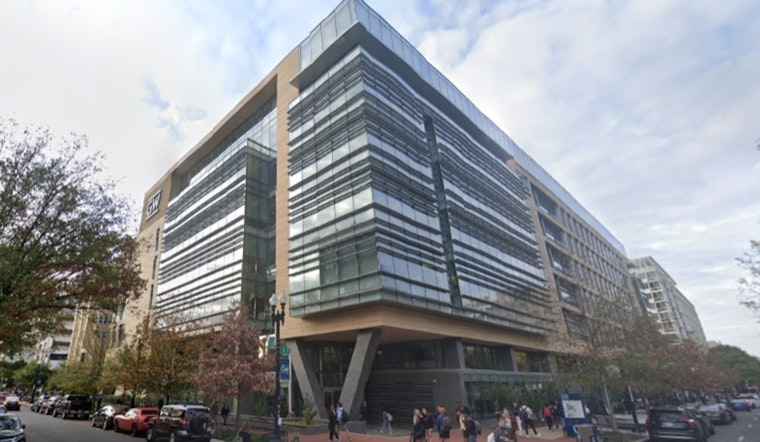
Returning George Washington University students are staring at a nearly six-figure price tag for the 2026–27 school year, as the university’s own numbers show the cost of attendance brushing up against $100,000. The roughly $98,000 estimate, built from tuition, housing choices and everyday living expenses, has quickly become a hot topic among students and parents in Foggy Bottom after the school quietly posted the figures this month while finalizing next year’s tuition and housing rates, according to George Washington University.
As per George Washington University, the estimated cost for continuing undergraduates comes to $98,165. In the university’s breakdown, tuition is listed at $72,000, mandatory fees at $420, housing and food for returning students at $21,520, and a standard allowance for books, transportation and personal expenses at $4,225. That online worksheet is the document making the rounds in group chats and family email threads this week.
Local station NBC4 Washington aired a segment on the estimate this week, underscoring that the nearly $98,000 figure applies to returning undergraduates, not just incoming freshmen. The coverage has helped fuel campus conversations about affordability and what families should brace for when official billing statements arrive. The numbers highlighted on NBC4 match the figures listed on GW’s published cost sheet.
What’s included in the number
GW’s own table explains why continuing students’ budgets come in higher. Once they are past the first year, students can choose suite or apartment style housing and larger meal plans, which pushes the housing and food line to $21,520 and sends total budgets upward. Those room options, combined with full tuition and standard allowances for books and transportation, are what produce the $98,165 estimate. The university presents these figures as planning tools for families and as inputs for financial aid calculations.
Families worried about the bottom line are being urged to watch for individual financial aid offers this spring and to review Student Accounts statements carefully to see actual billed charges and payment deadlines. Because housing, meal plans and specific program fees vary by student, the posted figure is meant as a planning estimate, not a one size fits all invoice.
University officials and student leaders are likely to pay close attention to how these estimates land as bills and aid notices go out in the coming weeks. This story will be updated if campus leaders issue statements or if new developments emerge.





