

























































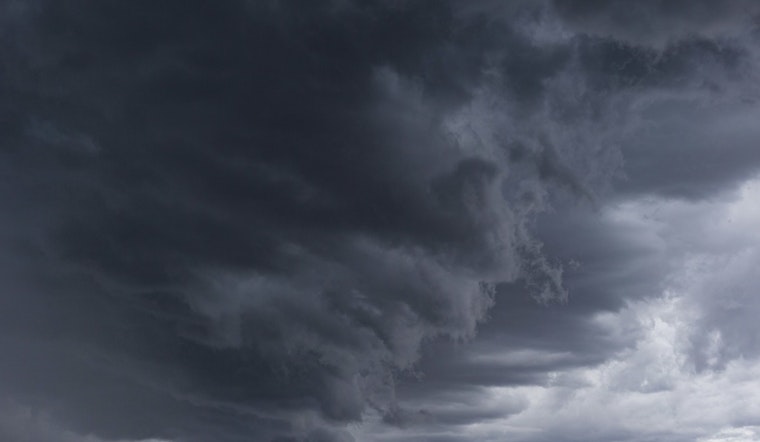
Severe storms rolling across the Chicago area on Tuesday evening briefly brought air travel to a halt, as controllers temporarily stopped flights to keep planes out of fast-moving thunderstorms. The pause hit both Midway and O’Hare during the evening rush, stranding some travelers at gates and sending others scrambling to salvage missed connections. Meteorologists warned the storms could pack large hail, damaging winds and even a tornado threat across parts of Cook County and nearby communities.
The FAA issued a ground stop on departures to Midway just before 6 p.m., and that hold stayed in place until at least 6:30 p.m., while O’Hare’s pause was expected to last until about 7:15 p.m., NBC Chicago reported. Airlines parked planes at gates, put outbound flights on hold and leaned on gate agents to relay a steady stream of updates as crews tried to reshuffle schedules. Flight-tracking tools and airport status pages showed delays stacking up during the peak evening bank as inbound jets were held at their origin airports.
Severe-weather outlook
The Storm Prediction Center had already circled the region for potentially rough weather, upgrading parts of northern and central Illinois to a moderate risk while leaving much of the Chicago metro in an enhanced-risk zone for the day’s storms, the SPC warned. The National Weather Service office in Chicago followed up with multiple severe thunderstorm warnings Tuesday evening that specifically named Midway among the locations at risk, a signal of why controllers chose to scale back traffic, NWS Chicago reported.
Travelers: what to check
Anyone booked through Midway or O’Hare was urged to lean on airline apps and airport flight-status tools for the latest word on delays and gate changes. The Chicago Department of Aviation posts real-time arrivals and departures for both airports, as FlyChicago shows. Carriers frequently roll out travel waivers and rebooking options after weather hits, so passengers with tight connections were advised to contact their airline directly. Even after storms move on, travelers should be ready for longer gate waits and more crowded boarding as operations slowly snap back.
Why short ground stops still matter
Ground stops are designed to keep planes out of airspace or airports that controllers cannot safely handle, but even a brief freeze can scramble the system. Once aircraft and crews slip out of position, that short pause can cascade into missed connections and late arrivals, aviation analysts say. Adept noted that late-day weather metering tightens already busy turnaround windows and magnifies delays down the line. Travelers are encouraged to build in extra time and keep a close eye on airline notifications until flight schedules are fully back on track.





