

























































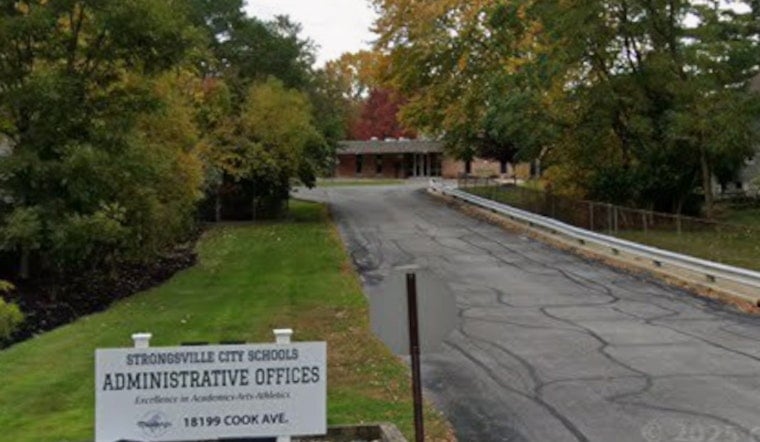
Strongsville City Schools are warning that the district is drifting toward a fiscal cliff and that even aggressive belt-tightening might not be enough to avoid years of red ink. At a recent board meeting, administrators told trustees that the district is likely to need new revenue as soon as November, even as they sketch out cost-cutting plans that range from quietly shrinking staff through attrition to outright layoffs. The board is now staring at a familiar dilemma: preserve programs or ask taxpayers for more money in a community where recent levy attempts have repeatedly gone down in flames.
Projected shortfalls
Treasurer George Anagnostou outlined a sobering five-year forecast that shows the district moving from an estimated $9.8 million operating deficit this fiscal year to deeper gaps ahead. The projections show deficits of $14.2 million in 2027, $21.5 million in 2028, $28.1 million in 2029 and about $30.5 million by 2030. The same forecast warns that the district would burn through its savings by fiscal 2029. Those numbers and the warning were shared in a presentation to the board, according to Cleveland.com.
Board options and the warning
Superintendent Cameron Ryba told trustees that administrators are modeling three basic cost-reduction paths: natural reductions as staff turn over, targeted reductions in specific areas, and targeted reductions paired with layoffs. The board directed staff to attach real dollar figures to each path and show what those scenarios would actually look like on the ground.
Anagnostou also delivered the official caution flag, telling the board that “operating in a deficit could result in fiscal caution, fiscal watch and/or fiscal emergency,” a progression that can trigger increasing state oversight. That warning, as well as the lineup of cost-cutting options, was part of the public discussion at the meeting and was reported by Cleveland.com.
Voter history and the local debate
The talk of another levy comes with some political scar tissue. The Cuyahoga County Board of Elections reports that Issue 53 on Nov. 5, 2024, failed by a wide margin, with 10,082 votes for and 15,072 against, according to the Cuyahoga County Board of Elections. Opponents argued the district was sitting on enough cash and did not need new taxes, while supporters countered that operating dollars are essential to avoid cuts. Both camps have kept up a steady drumbeat in the community.
Local groups spell out their cases online, including the anti-levy arguments at Strongsville Levy Facts and a pro-levy FAQ posted by For Strongsville.
What comes next
The board has asked administrators to return with hard numbers for each of the reduction paths, along with a summary list of potential cuts, before a March 12 work session. Trustees are expected to sift through those options and begin talking in concrete terms about what they are willing to cut and whether they are ready to go back to voters yet again.
The March 12 session is listed on the district calendar and the board’s Agendas & Minutes page at Strongsville City Schools, where staff materials will be posted as they are prepared.
Regional context
Strongsville is not alone in this struggle. Across Northeast Ohio, districts have been wrestling with failed levies and the same unpleasant choice between trimming programs and returning to the ballot. Public media outlets have tracked those fights and the fallout in nearby communities, including coverage by Ideastream and reporting on neighboring districts’ staffing and cut proposals by WVXU.
For Strongsville, the next key moment comes at that March 12 work session, when trustees will see the full price tag of each cut scenario. A final call on whether to pursue a November levy is expected later this spring, and the documents that follow will effectively spell out how deep the knife would have to go if voters continue to reject new operating revenue.





