

























































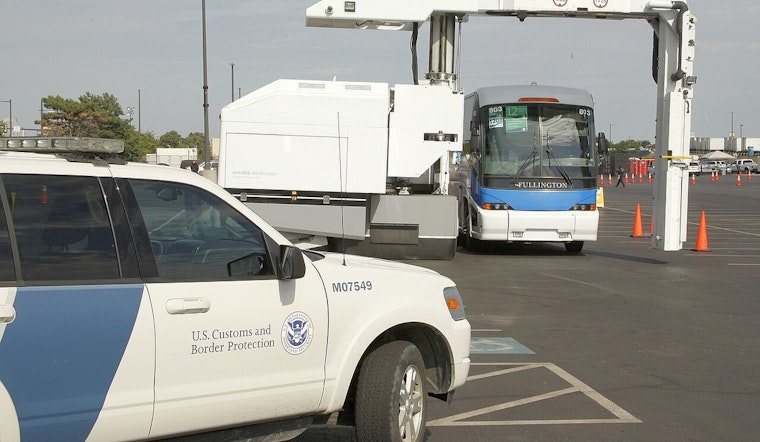
St. Paul speaker-maker MISCO and a lineup of Twin Cities manufacturers and retailers say they are owed hefty refunds after the Supreme Court struck down President Trump’s emergency tariffs, but the cash is not showing up anytime soon. U.S. Customs and Border Protection has told a Court of International Trade judge it cannot flip a switch and send out mass refunds, and is instead building a new system that could take roughly 45 days to get running. That timetable, plus confusion over the paperwork, has small firms and their suppliers wondering whether the savings will ever trickle down to customers or help cover higher 2025 costs.
St. Paul-based MISCO is among the Minnesota companies pursuing refunds, according to MPR News. Local reporting by the Star Tribune shows MedSource Labs in Chanhassen, Mischief Toy Store in St. Paul and several other Twin Cities firms have filed complaints in the U.S. Court of International Trade. Business owners told reporters they raised prices, put off investments and are now stuck waiting months in hopes that any repayment actually arrives.
Court order, CBP affidavit and the 45-day clock
The Supreme Court held in Learning Resources v. Trump that the International Emergency Economic Powers Act does not authorize presidential tariff orders, clearing the legal path for refund claims. Hoodline earlier summed up the fallout in Supreme Court Torches Tariffs. The trade court judge tapped to oversee refunds ordered the government to start moving toward repaying importers, but CBP told the court in a March filing that its systems are not configured for mass refunds and that building new Automated Commercial Environment functionality could take about 45 days, according to court filings and reporting. The Supreme Court opinion, along with coverage that followed, describes the judge pressing to keep the process moving while warning that interest on the collected duties is piling up.
What Minnesota businesses say
Local business owners describe months of financial strain and shaky confidence. “We just need a plan,” MedSource CEO Todd Fagley told the Star Tribune, as his company and others wait for concrete refund mechanics. The owner of Mischief Toy Store said his small shop had to hike prices after paying tens of thousands more last year. Even manufacturers that never wrote a check for the tariffs themselves say the upheaval forced suppliers and customers into expensive juggling acts.
How refunds would (probably) work
Customs officials have said the new process will run through the agency’s Automated Commercial Environment, requiring importers to file declarations listing every entry where IEEPA duties were paid and to keep ACH banking details on file so refunds can arrive as a single consolidated payment. Trade attorneys and firms are urging importers to start auditing their entries, pull together supporting documents and update ACH routing information in ACE now so claims are not kicked back over technicalities. Baker Botts has laid out practical, step by step advice for companies trying to get in line.
Legal and financial stakes
Judge Richard Eaton has warned that “the clock is ticking” on roughly $165–$166 billion in IEEPA duties and has estimated that interest is accruing at about $650 million a month, a tab that could grow the ultimate bill for taxpayers or the government if refunds drag out. The court has ordered CBP to file regular progress updates and has kept the door open to push for faster relief if necessary, while companies keep filing new suits to preserve their claims. Bloomberg and legal filings trace those developments.
For Minnesota importers, the immediate assignment is paperwork and patience: audit entries, update ACE profiles and keep an eye on the trade court’s calendar. The next procedural milestones, from CBP status reports to fresh court deadlines, will decide whether firms see swift refunds or get stuck in a much longer legal slog.




.jpg)