

























































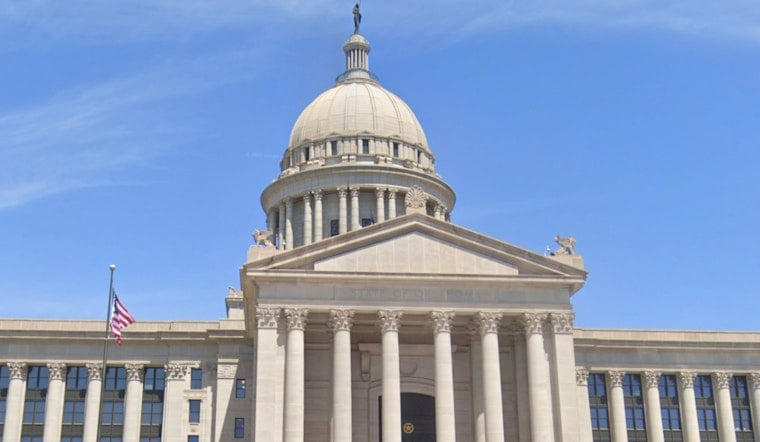
After years of stalled debates that critics say kept poor Oklahomans locked up simply because they could not pay, state lawmakers are suddenly moving on two sweeping pretrial reform bills. Supporters argue the proposals would speed up early court hearings, expand access to defense lawyers and push judges away from cookie-cutter bond schedules that have long been accused of punishing poverty instead of assessing risk.
What the bills would do
Senate Bill 1381 would require that a defendant be brought before a magistrate within 48 hours of arrest, or within 72 hours on weekends and holidays, and it mandates an individualized pretrial release hearing with the right to counsel and recorded findings, according to the Oklahoma Legislature. Courts would also have to give written instructions and send text reminders ahead of court dates so people are less likely to miss a hearing simply because they lost a paper notice.
Senate Bill 1618 would require each judicial district to use a validated pretrial risk assessment tool, provide that assessment to defense counsel before the initial appearance and create a presumption that judges set conditions consistent with the tool’s recommendation. That presumption can be rebutted only with clear and convincing evidence, per the Oklahoma Legislature.
Court rulings and new research
The legislative sprint follows a 2024 federal ruling that took direct aim at Tulsa County’s system of preset bond amounts. A judge there concluded that the county’s bond schedule produced wealth-based detention and violated equal protection and due process guarantees, a finding now preserved in the public court record. The opinion and related filings are available through FindLaw.
Fresh local data has only added pressure. In June 2025, The Bail Project released a report on more than 3,300 Tulsa cases and found that defendants released on their own recognizance with support services came back to court at higher rates than many people who paid cash bail or turned to a bondsman. The report cited roughly a 58 percent appearance rate for Bail Project supported clients versus lower rates for other release mechanisms, according to The Bail Project.
Politics, price tags and past stalls
None of this means smooth sailing at the Capitol. A previous attempt at similar statewide reforms fizzled after a fiscal impact estimate put the cost at roughly $21.2 million, and a separate bail policy bill narrowly failed back in 2019. Lawmakers are well aware of that history.
Sponsors now insist the current pair of bills is narrower and built to contain both costs and local discretion. Sen. Dave Rader warned that “many Oklahomans are held so long they lose their jobs and ability to pay bail,” arguing that the status quo hits working families hardest. Advocates such as Emma Stammen told The Oklahoman that the proposed changes would finally start to move courts away from preset bond schedules and toward case-by-case decisions.
What’s next
For now, both bills are threading their way through the process. Senate trackers show SB 1381 has been reported out of the Senate Judiciary Committee and sent on for budget review, while SB 1618 has also cleared early procedural steps as lawmakers continue to hammer out language and funding details, according to LegiScan.
Sponsors say they are pitching targeted county pilot programs, clearer data collection and phased rollouts as ways to keep costs in check and win over wary local officials as the measures head into Appropriations hearings and, eventually, floor debates.
Legal implications
If the reforms make it into law, they are almost guaranteed to be judged against the concerns raised in the Tulsa case. Judges, civil liberties groups and defense lawyers will be watching whether faster hearings, appointed counsel and automated risk tools actually cut down on wealth-based detention or simply rearrange it.
Courts could once again be asked to decide whether any new statutory scheme effectively recreates wealth-based detention, even if it is wrapped in risk scores and procedural safeguards, and whether that passes constitutional muster.





