

























































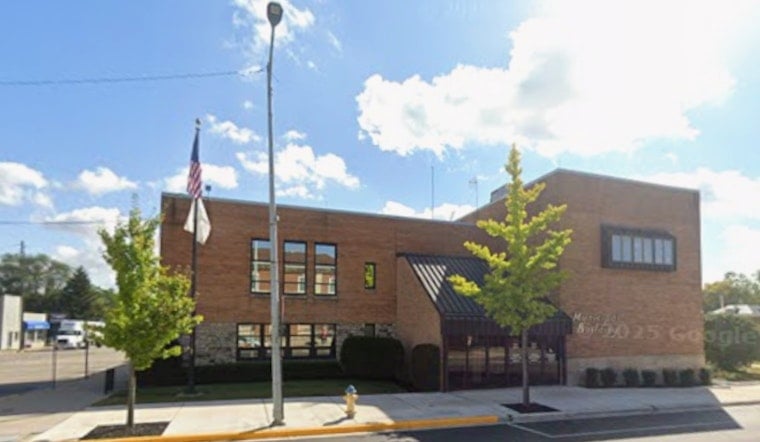
After a tense, standing-room-only meeting, Urbana City Council has hit pause on big-ticket data center construction, putting a proposed $1 billion complex on ice for at least a year. The council approved a 12-month moratorium on large data-center projects, a move that came after residents warned the massive buildout could threaten the groundwater that feeds nearby Cedar Bog.
The proposed development would create a single-story campus with roughly 460,000 square feet of computing space. Opponents say that footprint is simply too close for comfort, given its proximity to a nationally significant fen, nearby schools and senior-living facilities.
The moratorium passed on a 6-1 vote at the March 3 meeting. City officials say the timeout is meant to buy enough breathing room to examine water, energy and land-use impacts tied to the plan and to bring the public more directly into the process.
New York-based Thor Equities is promoting the project, with Texas operator CyrusOne signed on as an operations partner. Company representatives told council members the development would contain about 460,000 square feet of computing floor space and said they intend to work with nearby residents, according to WYSO.
In the meantime, city staff have rolled out a public timeline and created an oversight committee to dig into the proposal, its zoning implications and any requested financial incentives. The committee will seat local residents alongside representatives from Champaign County government, Urbana City Schools, city staff and Cedar Bog partners. The group is tasked with making sure community concerns are not just heard but factored into the review process. According to The City of Urbana and local coverage, the pause also gives officials time to vet any Community Reinvestment Area or annexation steps tied to the site.
Why Cedar Bog Is Central
Cedar Bog is a National Natural Landmark and one of Ohio’s most botanically diverse preserves, home to a disproportionately large share of the state’s rare and threatened plants and animals. Its signature fen habitat depends on an underlying aquifer that keeps the ecosystem cool and stable.
The organization that oversees the preserve has urged caution and flagged the data center proposal as a potential threat to an irreplaceable, groundwater-fed system. Conservation advocates warn that even modest changes in water quantity or quality could shift the bog’s pH and temperature and put rare species at risk. Public materials from the preserve stress that Cedar Bog’s survival hinges on protecting the aquifer and the nearby recharge areas that keep it functioning, according to Cedar Bog Nature Preserve.
Residents and Schools Push Back
Residents packed into the Champaign County Community Center and lined up for the microphone, with dozens delivering public comments and organizers pushing an online petition that racked up thousands of signatures in short order. Parents, nursing home administrators and local business owners told reporters they felt blindsided by the pace of behind-the-scenes talks and worried about air quality, noise, future utility bills and long-term strain on local water and electric infrastructure, as reported by WYSO.
Speakers ran the gamut in age and background, but many echoed a similar point: even those who are not ready to rule the project out entirely say the moratorium at least gives them time to get more detailed, vetted information into the public record.
Legal Questions And The Purchase Deal
Local reporting and the city’s own notice show that the land at the center of the controversy has already been moving through annexation and zoning changes over the past year, while private buyers have struck agreements with some property owners and with Champaign County.
Springfield News-Sun reports that the buyer must give a 30-day written notice before closing on county-owned parcels and that county officials are reviewing both their legal options and any penalties they might face if they tried to unwind a sale. That contractual and legal backdrop is one reason city leaders say a formal pause, more technical study and structured briefings with stakeholders are needed before anything is allowed to move forward.
For now, the moratorium and new oversight committee give residents, conservation groups and school and business leaders a clear channel to request studies, drill into projected water and energy use and push for specific conditions on any future approvals. Developers say they will keep meeting with neighbors as the review unfolds. Community members, for their part, say they plan to use the breathing room to commission independent analyses and keep pressing elected officials for safeguards.





