

























































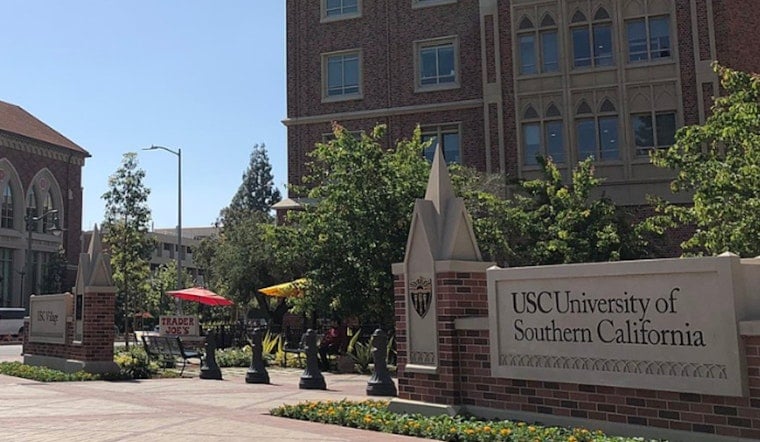
Federal labor officials in Los Angeles have given non-tenure-track faculty at the University of Southern California something they have been pushing toward for months: a green light to hold a union election. The proposed bargaining unit would cover roughly 2,500 research, teaching, practitioner, and clinical-track instructors who say they need a formal voice on pay, benefits, and job security. USC has said it will keep fighting the case in the legal arena even as organizers frame the decision as a major step toward collective bargaining.
The regional office’s move was first reported by LAist, which noted that the decision opens the door for United Faculty-UAW to seek a secret-ballot election among the proposed unit. According to that report, USC had asked the National Labor Relations Board to dismiss the petition or at least delay an election while the university presses its arguments over who should be allowed to vote.
The union filed its petition on Dec. 10, 2024, and the NLRB docket for case 31-RC-356388 lists 2,528 full- and part-time RTPC faculty in the proposed unit, according to the board’s public case page. The same docket shows a trail of scheduling orders, motions, and a request for special permission to appeal as USC and organizers wrestled over how broad the unit should be.
USC has pushed back in legal filings and campus statements, arguing that many of the faculty included in the petition are involved in shared governance and therefore qualify as managerial or supervisory employees who fall outside NLRB jurisdiction. The university’s provost office has posted an update and a FAQ spelling out that position, along with its stated legal and operational concerns.
Organizers counter that the fight is about everyday economics, pointing to years of frozen wages, layoffs, and stalled retirement contributions. They have urged USC to stop leaning on litigation and let the process move forward. “This is a huge win for us,” Sanjay Madhav, an associate professor and one of the union’s organizers, told LAist, adding that faculty want a real seat at the table.
Legal observers say USC’s strategy, which includes claims that the NLRB’s structure is unconstitutional, tracks with tactics used by large employers that try to slow or block organizing and could have broader implications for higher education. The American Prospect has documented similar challenges by corporations and, increasingly, universities.
What happens next
If the regional office ultimately sets an election date, the NLRB will run a secret-ballot vote and will certify a union if a majority of ballots cast favor representation. Employer appeals, either to the NLRB’s Washington board or to federal court, can delay certification and the start of bargaining for months, and the docket for case 31-RC-356388 on the NLRB site already shows how procedural skirmishes have stretched the timeline.
Campus reaction
On campus, supporters have rallied, delivered letters, and gathered signatures to press administrators to allow a vote and then negotiate in good faith, as reported by Annenberg Media. The campus paper, Daily Trojan, has tracked both the organizing drive and USC’s objections, highlighting visible momentum among many non-tenure instructors.
Legal fight ahead
Even if the regional office allows a ballot to go forward, USC’s constitutional and managerial-status arguments remain appealable, which could send the dispute to the NLRB in Washington or into federal court. Labor lawyers say that kind of high-stakes litigation can reshape organizing campaigns and the rights of faculty across the country, a trend covered in reporting by The American Prospect.
Organizers say their immediate priority is a fair, timely election and a contract that reflects Los Angeles’s high cost of living. What happens next, whether the NLRB sets a date, USC files new appeals, or a court steps in, will determine how quickly that goal becomes real for thousands of instructors on campus.





