

























































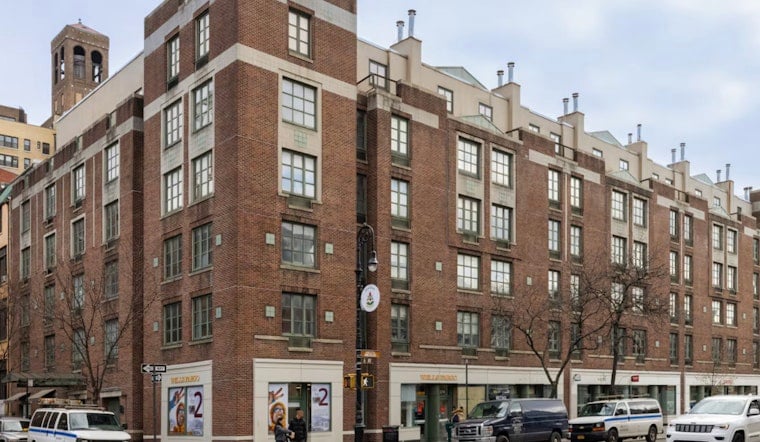
A street-level retail condominium at 126 Waverly Place in Greenwich Village has changed hands for $23 million, a rare seven-figure sale for a single storefront in the neighborhood. The eye-catching price tag underscores that investors are still hungry for compact, high-visibility Village retail, even while Manhattan's broader retail scene remains a mixed bag.
Deal details
The commercial condo at 126 Waverly Place - part of the Washington Court condominium complex - closed for $23 million, according to Crain's New York Business. The brief item flagged the sale price and address but did not identify the buyer, seller, or current tenant.
About the building
Listing details show 126 Waverly Place, also known as Washington Court, as a five-story, 28-unit condominium built in 1986, with a single commercial unit anchoring the ground floor. Positioned at the intersection of Waverly Place and Avenue of the Americas, the storefront sits on a heavily trafficked Village corner that sees a steady flow of locals, students, and visitors, according to StreetEasy.
Market context
Across Manhattan, landlords are contending with shrinking availability and stronger leasing momentum, particularly for well-laid-out, walkable storefronts. A February industry report pointed to year-over-year drops in availability along several prime corridors at the same time leasing activity was climbing, a combo that helps explain investor interest in Village retail, according to Shopping Center Business. Brokers in that piece noted that tenants are responding by rightsizing or tweaking their store formats to squeeze into scarce space.
What this could mean for the Village
“Brick-and-mortar retail is truly here to stay,” Beth Rosen, executive vice president at RIPCO Real Estate, told Shopping Center Business, a sentiment that helps explain why buyers might shell out for a prime Village corner. For landlords and investors, the Waverly Place sale reinforces that compact, street-facing spaces in walkable neighborhoods remain in high demand. For local retailers, that same demand could mean quicker turnarounds when a coveted space opens up, along with added pressure on asking rents for the next lease.





