

























































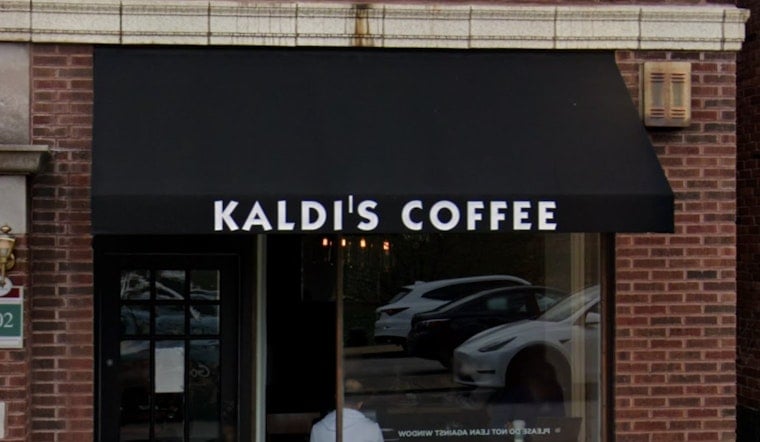
Kaldi’s Coffee workers and allied food service organizers are urging customers to stay away from the chain’s brand new Bauer Hall café at Washington University, rolling out a boycott alongside a Food Service Workers’ Bill of Rights. The campaign comes after months of organizing by Kaldi’s employees across the St. Louis area, who point to low pay, chaotic scheduling, and unsafe conditions. Organizers say their bill lays out basic nonnegotiables, from living wages and predictable schedules to health and safety standards and due process on the job.
According to The Labor Tribune, the Missouri Workers Center convened a March 3 town hall at Washington University where baristas, bakers and other service workers publicly announced the boycott of the Bauer Hall location and began gathering signatures for the bill. The paper reports that organizers called on campus groups, unions and regular customers to skip the new café until Kaldi’s recognizes employees’ organizing efforts and agrees to negotiate.
St. Louis Public Radio reports that the Skinker Boulevard shop voted 7-2 in January to unionize with UNITE HERE Local 74. The outcome is not final, though, because the National Labor Relations Board is still weighing several challenged ballots and unfair labor practice charges before it certifies the tally. "We've got to go through the labor board and dispose of those challenge ballots," Local 74 president Kim Bartholomew told St. Louis Public Radio.
What the bill demands
The Food Service Workers’ Bill of Rights lays out a broad wish list that organizers say should be the floor for restaurant and café jobs in St. Louis. As summarized by The Labor Tribune, the platform calls for a living wage and fair pay structures, reliable scheduling and paid time off, real training and advancement opportunities, strong health and safety protections, job security with due process, plus transparency and protections against discrimination.
How the campaign grew
Organizing at Kaldi’s started quietly in the summer of 2025, then went public that fall. Workers from at least eight St. Louis locations announced a union campaign in November and rallied outside the company’s roastery, St. Louis Public Radio reported. Campus reporting later detailed kitchen closures, alleged drainage and air conditioning failures and an August sit-in at the Skinker store that organizers say pushed the effort forward. Student Life covered those early disputes.
Legal stakes
The fight has now moved partly into the legal arena. Public dockets from the National Labor Relations Board list multiple filings tied to Kaldi’s from late 2025 that remain open, including representation petitions and unfair labor practice charges. The NLRB’s case pages for Kaldi’s include the representation petition for the Skinker unit alongside several pending charges against the company, which are detailed on the Kaldi’s case page at the National Labor Relations Board.
Kaldi’s has said it intends to follow the legal process and take up issues as they come. In a statement to Student Life, the company described itself as "committed to openness and respect" and noted that it shut down the Skinker kitchen to carry out repairs after a grease backup. Workers say those kinds of fixes are not enough, arguing that problems with scheduling and pay will only be resolved through a negotiated union contract that locks in changes.
The Missouri Workers Center has posted a sign-on letter and petition backing Kaldi’s employees and is urging campus organizations and customers to honor the boycott. According to the Missouri Workers Center, organizers plan focused outreach at Washington University and in nearby neighborhoods that depend on Kaldi’s foot traffic, and say those efforts will continue until the company agrees to bargain.
What happens next depends heavily on the NLRB. Its decisions on certifying the Skinker vote and ruling on the pending charges will help determine the next moves for both workers and management. Organizers say the boycott and signature campaign will stay in place until Kaldi’s recognizes the union and comes to the table. For anyone keeping score at home, the NLRB docket remains the public clearinghouse for filings and timelines, and the latest entries are posted on the Kaldi’s case page at the National Labor Relations Board.



