

























































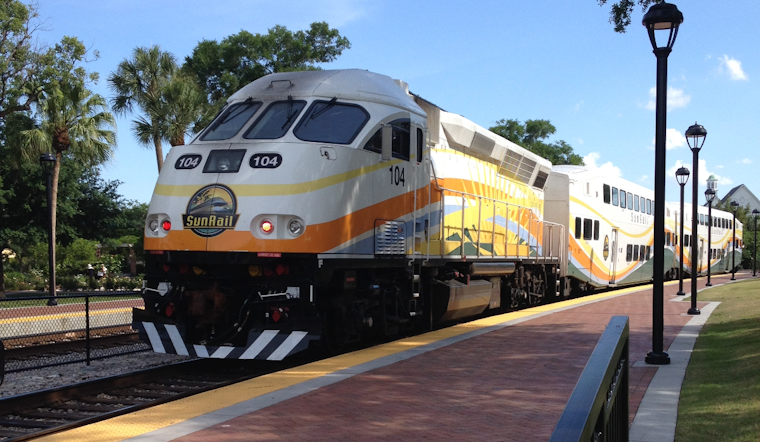
Florida transportation brass are kicking around a roughly $61.8 million plan to beef up SunRail's fleet, a move they say is key to finally making regular weekend trains a reality in Central Florida. The concept, unveiled at recent commission and advisory meetings, would add locomotives and cab cars so the system can cycle trains through maintenance without cutting weekday runs and still field extra service outside the 9-to-5 commute. Riders and local leaders argue it could relieve traffic and make the train more useful on nights and weekends, but no one is quite sure yet who picks up the tab. Commissioners have told staff to dig deeper into the numbers before they sign off on any new spending.
The Florida Department of Transportation is now running the numbers on the $61.8 million rolling-stock purchase, according to Orlando Business Journal. Officials presented that figure as one slice of a broader staff study that weighs capital versus operating trade-offs for expanded and weekend service. They pitched the purchase as both an insurance policy on day-to-day reliability and a necessary step before SunRail can realistically promise full weekend schedules, assuming local partners agree to cover the ongoing operating costs.
In a separate briefing to the Central Florida Commuter Rail Commission, staff pegged annual weekend operating costs at about $22.7 million for Saturday-only trains and roughly $26.2–$26.3 million if service runs both Saturday and Sunday, while again flagging the roughly $61.8 million capital hit for new locomotives and cab cars. Their presentation also walked through lease-versus-buy scenarios and ridership projections for weekend runs, numbers commission members say they want to scrutinize further. WFTV reviewed those estimates and the discussion at the meeting.
What $61.8 Million Buys
Staff materials indicate the capital request would largely cover three additional locomotives and matching cab cars, enough to let SunRail rotate equipment through the shop without cutting into weekday schedules. Buying the new hardware pushes the one-time price tag into the tens of millions, while leasing was presented as a shorter-term but recurring alternative. Rail trade coverage characterized the choice as a trade-off between slower deliveries for purchased trains and quicker access through leases. Trains covered those estimates and the commission discussion.
Who Would Foot The Bill?
Commissioners were told that most of the new operating costs would fall to the five local governments that already share SunRail's budget, unless federal grants or private partners step in. Officials floated several possibilities, ranging from direct county contributions to a potential sales-tax referendum or public–private sponsorships, but no funding path has been chosen. FDOT district staff told the board there are "multiple funding options" to study as partners decide whether expanded service is worth the price. WFTV reported on those discussions.
Reliability And Ridership
SunRail has been on an upswing. The agency reported ridership topped about 1.2 million riders in 2024, a roughly 12% jump from the year before, and officials say the extra equipment would help protect weekday schedules while opening the door to weekend runs. The agency's own press materials point to recent system upgrades, including the new DeLand station and improved ticketing, as part of a broader push to turn SunRail into a more consistent regional option. SunRail highlighted both the ridership gains and the partnerships that helped boost those numbers.
Next Steps And Timeline
Board members have asked staff to come back with a workshop-level briefing and more detailed funding scenarios before making any commitments, and a formal work session is expected in the weeks ahead. Officials also cautioned that buying new locomotives is anything but quick, since manufacturers build to order and lead times can stretch for years. That reality could make leasing an attractive stopgap if local partners want weekend rail service sooner rather than later. Local reporting on the commission meetings has walked through those procurement timelines and the schedule for follow-up briefings. West Volusia Beacon detailed the procurement timeline and the commission's reaction, while Spectrum News 13 covered the board's plan for a workshop.
For riders, the trade-off is simple in theory: weekend SunRail would expand where and when people can travel without a car. In practice, the commission now faces a tight political and fiscal balancing act, weighing potential ridership gains and improved reliability against a multi-million-dollar price tag and long equipment lead times. Staff and local partners will have to turn the estimates into an actual funding plan before the idea can move from paper to platform.



