

























































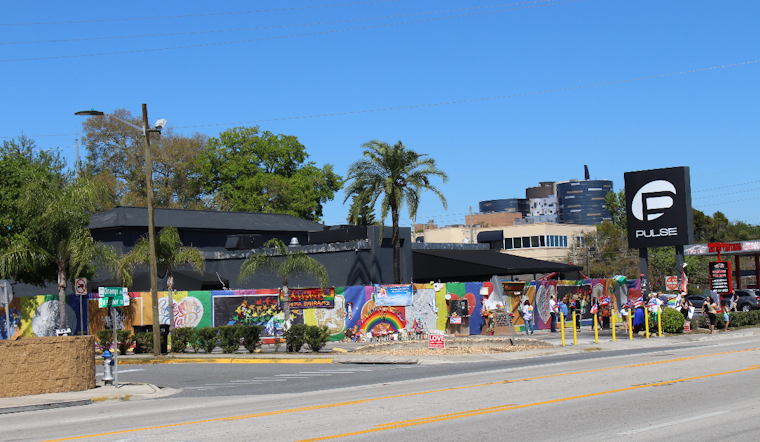
Orange-Osceola State Attorney Monique Worrell is set to hold a 10 a.m. news conference Friday at the State Attorney’s Office to update the public on criminal cases tied to chalking at the Pulse memorial crosswalk. The briefing comes after months of protests, scattered arrests, and a lingering legal question over whether water-soluble chalk can amount to criminal mischief. Advocates and defense attorneys are waiting to hear if prosecutors will move ahead with charges, drop cases, or spell out what happens next.
As reported by ClickOrlando, News 6 plans to stream the 10 a.m. news conference live from the State Attorney’s Office. The station previously noted that a defense attorney for two people arrested at the crosswalk said he still had not been told whether his clients would face formal charges.
Defense and case status
Defense attorney Joshua Sinclair, who represents James Houchins and Maryjane East, says his clients remain unsure if prosecutors intend to file charges. In an interview with ClickOrlando, Worrell’s office said, “These cases remain under active review” and that the situation requires coordination with several agencies along with a careful look at video and other evidence. Sinclair told the outlet the delay has left his clients “kind of in limbo” and worried about what the unresolved cases might mean for their jobs and records.
How we got here
The conflict traces back to when the Florida Department of Transportation covered a rainbow-colored crosswalk outside the Pulse memorial, after which protesters repeatedly returned and used chalk to recreate the colorful design. Judges and defense lawyers have pushed back on some of the resulting arrests. WESH reported that at least one judge found no probable cause for an arrest and ordered the protester released. Local coverage has also shown troopers detaining demonstrators who wrote chalk messages on the pavement. Those scenes helped ignite a broader argument over whether chalk markings on a state-maintained crosswalk count as altering a traffic-control device and how aggressively the state should police roadway rules at a memorial site.
Legal implications
Prosecutors may weigh potential counts under Florida’s traffic-control statute or under criminal-mischief laws, depending on how they assess any damage and the intent behind the chalking. Florida Statute 316.0775 bars altering or defacing official traffic-control devices, and courts may look to Florida Statute 806.13 on criminal mischief when weighing any alleged harm. Early rulings from judges, along with the temporary nature of water-soluble chalk, complicate the kind of evidence prosecutors would need if they decide to press ahead.
What to watch at 10 a.m.
Worrell could announce charges, decline to prosecute, or describe additional investigative steps. Her office has said it will provide an update once a final decision is reached. News 6 is slated to stream the briefing live, and this story will be updated with any statement or charging decision from the State Attorney’s Office. Whatever Worrell announces is likely to echo through ongoing debates over how the city treats memorial spaces, how hard the state leans into enforcement, and where free-speech rights begin and end on public streets.





