

























































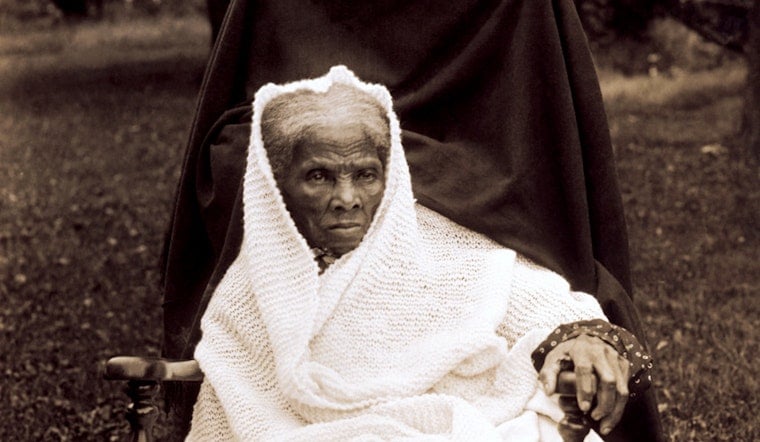
Ten years after the Obama administration said Harriet Tubman would bump Andrew Jackson from the front of the $20 bill, the cash in your wallet has not changed. Supporters say the effort has stalled out. The Bureau of Engraving and Printing insists the $20 is simply moving through a slow, multi-year redesign schedule, but the agency will not say whether Tubman is still in the picture. Lawmakers and family members argue the delay has turned into both a technical bottleneck and a political fight.
How the plan began
In April 2016 Treasury Secretary Jack Lew announced that the front of a redesigned $20 would feature Harriet Tubman as part of a broader push to update several denominations, according to the U.S. Treasury. That announcement launched public research, design concepts, and internal planning. It did not mean a new bill would start showing up in bank drawers overnight.
Why the timeline stretched
The schedule for that redesign stretched out under the administrations that followed. In 2019 Treasury Secretary Steven Mnuchin told Congress a new $20 would not appear until 2028, a delay that drew scrutiny from lawmakers and watchdogs, as reported by ABC News. An audit by the Treasury Department's Office of Inspector General later concluded the $20 had not even entered the banknote design process and was not expected to be production-ready until around 2030, according to the Treasury OIG.
Technical work, not just politics
Agency officials emphasize the unglamorous mechanics behind every new bill. Security features, tactile markings for people who are visually impaired, and new anti-counterfeiting tools all have to be engineered directly into the artwork. That research, testing, and coordination can stretch over many years.
A Bureau of Engraving and Printing spokesperson told Spectrum News that the $20 is still on track for a 2030 release. The bureau, however, declined to say whether Tubman's portrait is still part of that redesign plan. Advocates say that silence shows how the slow, technical process and the public push for change are running on very different clocks.
Politics and pressure
All of that has unfolded against shifting political winds. In January 2021 White House press secretary Jen Psaki told reporters that the Biden administration was "taking steps to resume efforts" to put Tubman on the $20, as covered by The Guardian. That support, however, did not magically shorten the production timetable.
Opponents in earlier years cast the proposed change as "political correctness" and turned what might have been a straightforward currency refresh into a partisan symbol. That added another layer of friction to an already slow-moving process.
Where the fight stands
Advocates and members of Congress have tried to keep the pressure on. Sen. Jeanne Shaheen, who first introduced the "Harriet Tubman Tribute Act" in 2015 and has reintroduced it in later sessions, has said she will push for statutory action so Tubman's likeness appears on the bill by law rather than relying entirely on agency timing, according to her office's statement. Legislation like that would set a firm deadline and require the new portrait to be printed on $20 notes.
For now the official calendar still points to a late decade rollout. If the Treasury OIG timeline and the Bureau of Engraving and Printing's sequencing hold, a redesigned $20 could be production-ready around 2030. Whether that bill will actually carry Harriet Tubman's portrait will depend on decisions that have yet to be made at the Treasury Department and possibly in Congress. Until those choices are locked in, the long wait to see Tubman on U.S. currency remains a test of whether symbolic change can keep pace with the slow, security-driven business of printing money.




