

























































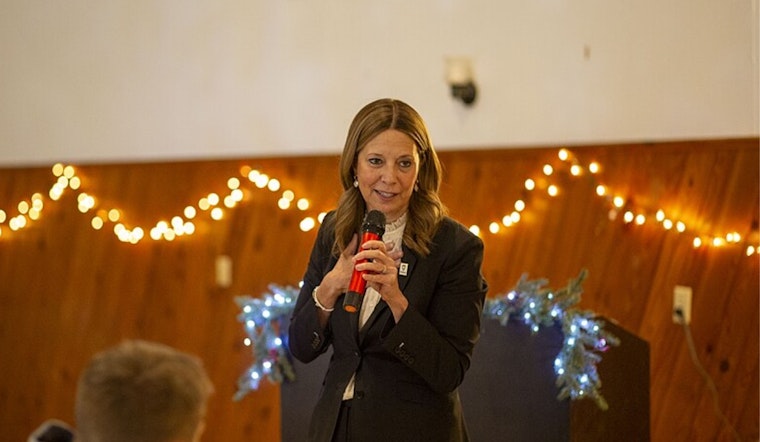
Amy Acton is already talking about a sequel. The former state health director said Monday that if she becomes governor, she will push to put a new redistricting reform amendment before Ohio voters in 2027. She framed the reboot as part of a wider effort to rein in outside money and restore more competitive legislative and congressional maps, after a high-profile 2024 proposal narrowly failed and set off a months-long fight over how it was described to voters.
Acton pledges a do-over
Speaking at a campaign roundtable in Columbus, Acton said she wants to "help try again" to pass a redistricting amendment and pinned the 2024 defeat on what she called misleading ballot language. "So I think there's the will in Ohio, and we need leadership to get it done," she said, according to Signal Cleveland. She described last year's proposal as "a very reasonable attempt" to change how maps are drawn.
What went wrong in 2024
The 2024 measure would have created a citizen-led commission, but voters turned it down after weeks of debate over the ballot summary and a flood of outside spending. Opponents seized on the Ohio Ballot Board's wording, which said the commission would be "required to gerrymander" district boundaries, and credited that phrasing as a key factor in persuading voters to reject the amendment, AP News reported. Reform supporters argue the summary distorted the plan and left many voters confused in the booth.
High costs, big logistics
Trying again would be anything but simple. Backers would need to gather hundreds of thousands of valid signatures and would typically rely on paid petition circulators, a process that can run into the millions of dollars. The concept Acton highlighted would scrap the current Ohio Redistricting Commission and replace it with a panel that bars elected officials from serving, a structural change supporters say is needed to keep sitting officeholders out of the mapmaking room. Those practical and financial hurdles were detailed by Signal Cleveland.
At the Columbus roundtable
Acton laid out the redistricting push while moderating a campaign roundtable at a Columbus coffee shop, using the event to roll out affordability proposals and tie map reform to her broader argument about outside influence on state politics. "As governor, my number one priority will be lowering costs for working families," she told attendees, according to Ideastream Public Media. The stop doubled as a policy forum and a chance for Acton to fold redistricting into her larger campaign message.
Where the race stands
Acton is the presumptive Democratic nominee and is expected to face Republican Vivek Ramaswamy in November, although he first has to win a May 5 primary. The Ohio Secretary of State's certified candidate list shows Ramaswamy and Casey Putsch as the Republicans qualified for that primary ballot, and AP News has chronicled developments in both campaigns. The primary calendar will also shape the window for any new petition drive to organize and raise money.
Why it matters locally
Redistricting determines who represents communities such as Cleveland and Columbus at the Statehouse and in Congress, and can influence which neighborhoods land state dollars and political clout. The 2024 battle came on the heels of a series of court rulings that found earlier maps unconstitutional, and reform advocates say fairer lines remain essential to restoring meaningful representation, as coverage and analysis from WOSU Public Media have underscored. For now, the fight is as much about process, including petition drives and ballot language, as it is about the final shape of the maps.
If Acton follows through on her pledge, her campaign and allied groups will need to launch an expensive, statewide petition drive early next year while bracing for another round of legal and political clashes over how any amendment is summarized for voters. That schedule would put signature gathering, fundraising, and messaging on top of the May primary and the November general election. For reformers, the unresolved question is whether a second attempt can clear the same hurdles that helped sink the 2024 effort.



