

























































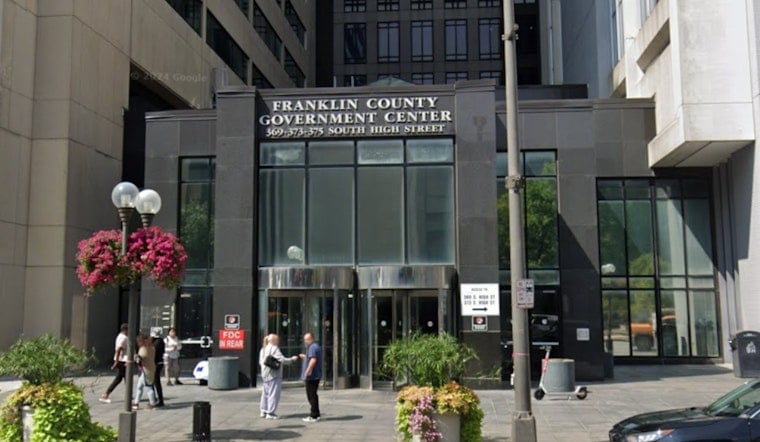
A Franklin County Court of Appeals magistrate has recommended tossing a legal challenge that could have blocked two fracking‑waste injection wells planned just outside Marietta. If the judges go along, the developer could move ahead even as residents and local officials warn the projects would raise the risks to southeast Ohio’s drinking water.
Magistrate's Recommendation and Deadline
Last week a magistrate at the Franklin County court advised dismissing a mandamus petition filed by the Buckeye Environmental Network, according to Canary Media. Magistrate Thomas Scholl concluded the group had not shown that the state "had a clear legal duty" to apply updated permitting rules. Parties now have until April 30 to file objections. If the judges agree with the recommendation, DeepRock could be cleared to drill its wells in the coming months, the outlet reported.
What the Lawsuit Alleges
The suit, filed Nov. 7, 2025, says the Ohio Department of Natural Resources relied on an older, more permissive rule set when it issued permits for two DeepRock wells instead of the stricter regulations that took effect in January 2022, as outlined in a petition posted by Earthjustice. Plaintiffs argue that choice narrowed both the technical review and the public’s chance to weigh in at a critical stage.
Why the Rule Change Matters
Under the older framework the state used, applications relied on a 0.5‑mile "area of review." The updated rules require a review area of roughly 2 miles for larger permits, the petition says, which means regulators did not look at nearly 179 wells that fall within the projects' broader footprint. The filing also notes that the Stephan #1 and American Growers #4 permits would allow average injections of about 3,000 barrels per day and peaks of up to 5,000 barrels per day. "A PERMIT IS A PRIVILEDGE AND NOT A RIGHT," the petition adds, and Earthjustice has posted the full court filing for anyone who wants to dive into the legal weeds.
Marietta Leaders and Neighbors Push Back
Marietta city officials have approved a resolution opposing one of the DeepRock permits and have asked Gov. Mike DeWine and state lawmakers to impose a three‑year moratorium on new wells in Washington County, as residents and local water utilities press for stronger safeguards, reporting by WTAP shows. At public meetings in the region, residents have repeatedly pointed to past brine migration incidents and called for more conservative siting and tighter monitoring of injection wells.
State Response
The Ohio Department of Natural Resources has told reporters it has no additional comment while the case is pending. The agency has stressed that any operating permit for the wells would have to comply with the rules in place at that time, a distinction ODNR emphasized in media interviews, according to Canary Media. In other words, construction permits and later operating permits would be evaluated under different parts of the oversight framework.
Legal Stakes and Next Steps
The magistrate’s recommendation is advisory. Judges on the Tenth District Court of Appeals will review any objections and then decide whether to adopt it. Courts in the district often adopt a magistrate's findings when parties do not persuade them otherwise, as reflected in recent Tenth District rulings listed on legal databases such as Justia. If the court dismisses the case, legal observers say DeepRock could move to finish construction and then seek final operating approval under whatever administrative rules are in effect at that later stage.
Why This Matters Beyond Washington County
Ohio already has more than 200 Class II injection wells and is permitted to accept hundreds of millions to more than a billion gallons of oil‑and‑gas wastewater each year, making the DeepRock fight part of a larger statewide debate over disposal capacity and public health, according to reporting from Signal Ohio. Previous ODNR investigations and media reports have documented underground migration of waste in Washington County, which opponents now cite as proof that the risks are not just theoretical. Inside Climate News reviewed that earlier probe, which remains a touchstone for residents worried about what is happening beneath their feet.



