

























































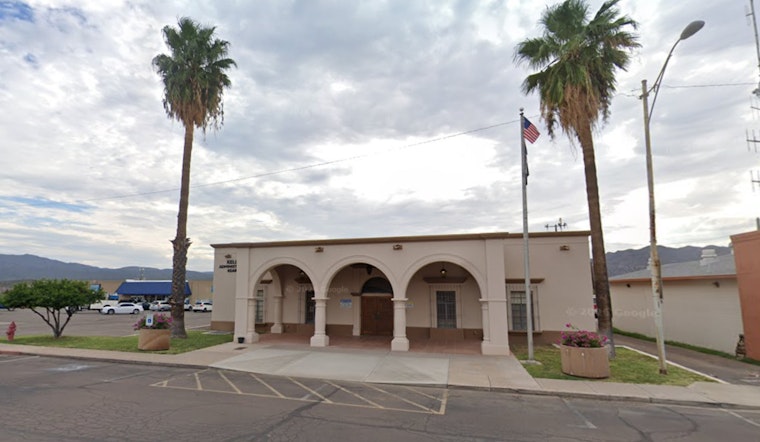
Kearny, a copper mining town of roughly 1,700 people in central Arizona, is staring down a hard deadline: local officials say the municipal water system could be tapped out by July 15. After a sharp drop in the town's Gila River allotment, leaders have declared a water emergency and pushed residents into extreme conservation mode to keep basic drinking and sanitation needs covered.
Emergency steps and timeline
As reported by 12News, the Town of Kearny declared a state of emergency on March 30 and jumped straight to its highest restriction, Water Conservation Level 5WE. At that level, water is supposed to be used only for essentials such as drinking, cooking and bathing. Town officials say this year's annual allotment is just a slice of what they typically receive and warn that if nothing changes, the municipal system could run dry by July 15.
Where the water comes from and why supplies fell
Kearny's water supply is tied to Gila River allocations that fall under the Globe Equity Decree of 1935 and depend on how much water is stored behind Coolidge, also known as San Carlos, Dam. According to Copper Area News, the town reports it received just 76 acre-feet of water this year, compared with an average annual use of about 280 acre-feet. That gap is what leaves Kearny with only a few months of water in the bank.
What Level 5 looks like for residents
Level 5 restrictions are not subtle. Potable water is off-limits for irrigating lawns or landscaping, washing vehicles or controlling dust, and fire hydrants are reserved strictly for emergencies. Enforcement tools include warning notices, fines and even possible service shutoffs for those who refuse to comply. “All non-essential water use is prohibited,” the town's emergency order states, according to 12News.
Short-term fixes and next steps
Town leaders are scrambling for stopgap solutions while they hunt for more reliable water. A 1.2 million dollar grant from the U.S. Department of Agriculture is paying for rehabilitation of existing wells, and officials have floated the idea of buying or swapping water supplies with mining company ASARCO, although no deal is on paper yet, Copper Area News reports. Temporary measures such as building water stands and speeding up system repairs are meant to buy time while the town leans hard on community-wide conservation.
What residents can do now
The town's guidance to residents reads like a checklist of small sacrifices that add up: cut back on non-essential laundry, take shorter showers, run only full loads in dishwashers and washing machines and reuse greywater when it can be done safely. Kearny's small population and out-of-the-way location, roughly 85 miles southeast of Phoenix, mean there is not much backup if the main supply falters. The town had about 1,741 residents in the 2020 census, according to Wikipedia, so every household's water habits matter.
Legal stakes and the bigger picture
Behind the immediate scramble is a complex legal framework that leaves towns like Kearny with limited room to maneuver. Longstanding apportionments under the Globe Equity Decree decide who gets Gila River water in dry years, and shifting those allocations through transfers or exchanges can take time along with court or commissioner approval. The Gila River Water Commissioner's office is responsible for administering those allocations and plays a central role in shortage decisions, according to public information from gilawater.org.





