

























































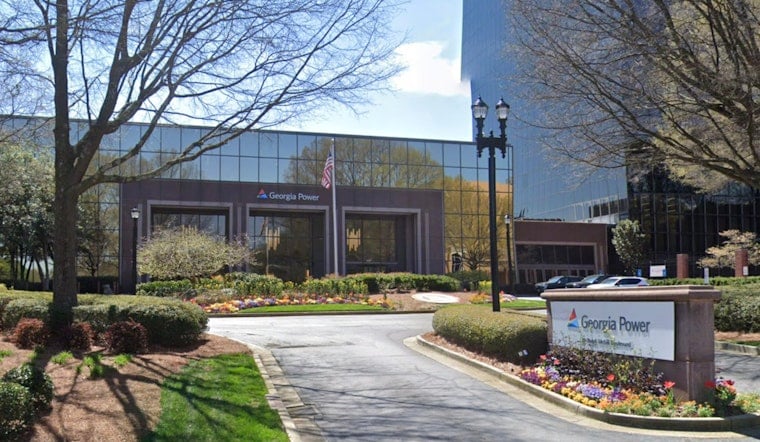
Georgia’s biggest power users just got the green light to bring their own clean juice to the grid. State regulators on Tuesday signed off on a program that lets large companies and sprawling data center campuses fund their own clean energy projects and connect them to Georgia Power’s system.
The option, called the Customer Identified Resource program, allows businesses to bankroll solar, battery and other projects that feed into the utility’s grid while Georgia Power handles procurement and bill credits. Supporters say it can speed carbon free capacity online. Skeptics counter that the real test will be the fine print in the tariff and whether regular ratepayers see any benefit.
The Georgia Public Service Commission’s online docket documents the settlement and an April 7 administrative session where the item was taken up, according to the Georgia Public Service Commission. The Atlanta Journal-Constitution reports the measure, often described as a "bring your own clean energy" option or BYONCE, will let customers contract directly with renewable energy developers and pay Georgia Power a monthly tariff in exchange for renewable energy credits, with any excess credits shared with other customers.
How the CIR program works
Under the Customer Identified Resource option, large customers can team up with developers to submit projects in an extended phase of Georgia Power’s renewable request for proposals. If the utility finds the proposals offer value to the overall system, those customers receive the renewable energy certificates and an energy credit tied to the output, according to the Clean Energy Buyers Association.
CEBA’s release states that participating customers may procure up to 3,000 megawatts of these customer identified resources through 2035 and that the option will be folded into the CARES 2025 procurement window. Regulators also approved measures that let the program start earlier and allow multiple customers to band together on a single project so they can capture economies of scale.
Why it matters
Supporters say CIR could speed cheaper, carbon free capacity onto Georgia’s grid at the very moment Georgia Power is planning a hefty buildout of new generation to meet soaring data center demand. Regulators signed off last winter on plans to add roughly 10,000 megawatts in the near term, according to Canary Media.
Advocates argue that private procurement of clean energy might move faster and cost less than building new utility funded gas capacity, which could help ease pressure on customer bills if, and it is a big if, the tariff is structured well.
What critics say
Environmental and consumer advocates warn that CIR by itself will not necessarily cut the need for new gas plants unless the program fully recognizes the "capacity value" of customer funded, clean firm resources. That concern shows up in coverage from The Atlanta Journal-Constitution and in other analyses. Opponents are also pressing for clear pricing rules and transparent accounting so that the benefits of customer funded projects reach beyond the biggest corporate players.
Next steps and regulatory checks
Georgia Power still has homework. The utility must file detailed tariff language and implementation rules in a separate Public Service Commission docket before any projects can actually move forward, the Clean Energy Buyers Association said. Public Service Commission records list the settlement documents and procedural timeline for that next phase, according to the Georgia Public Service Commission.
That follow up review will determine how Georgia Power scores projects for system value, how credits are priced and how any excess renewable energy credits are allocated among customers. In other words, the structure that decides who really wins from BYONCE has not been nailed down yet.
Local impact
Much of the new capacity eyed across Georgia is aimed squarely at power hungry data center campuses clustered around metro Atlanta and other parts of the state, which helps explain why hyperscalers and large manufacturers backed a bring your own clean energy style option, Canary Media reports.
For Atlanta area residents, the bottom line is straightforward enough. The program could help bring new renewable resources online faster. What it does to monthly bills and long term system planning will depend on the tariff details that regulators and the utility still have to hammer out.





