

























































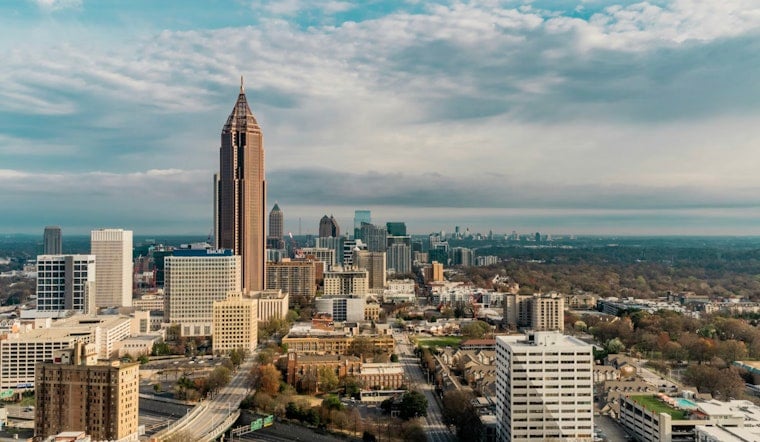
Atlanta is back in the big‑city big leagues. After a brief dip in the rankings, metro Atlanta has reclaimed its spot as the nation’s sixth‑largest metropolitan area, edging past both Miami and the Washington, D.C., region on the latest federal population scorecard.
The Atlanta area now counts about 6.48 million residents, a climb that reflects the region’s continued post‑pandemic momentum and its staying power as a magnet for people and jobs.
According to the U.S. Census Bureau's Vintage 2025 estimates, released March 26, 2026, the Atlanta‑Sandy Springs‑Roswell metro tallied 6,482,182 residents as of July 1, 2025. The region added 61,953 people in a single year, good enough for third place nationally in sheer numeric growth and just enough to bump Atlanta back into the country’s No. 6 slot.
Local planners see it as part of a multi‑year comeback story, not a one‑off spike. The Atlanta Regional Commission’s 29‑county charts show roughly 0.96 percent growth, and Urbanize Atlanta reports that the cumulative post‑pandemic increase works out to roughly 375,000 to 400,000 new residents across the wider metro.
Numbers Behind the Shift
Atlanta’s surge is part of a broader population reshuffle that continues to favor large Southern and Texas metros. Houston added about 126,720 residents and Dallas roughly 123,557 people in the year ending July 1, 2025, as the nation as a whole grew by an estimated 1.78 million residents.
The U.S. Census Bureau data place Atlanta’s 61,953‑person increase among the top three metro gains in the country, a reminder that the region is firmly in the same population conversation as the heavyweight Texas metros, even if it is not growing quite as fast.
What This Means for Atlanta
Climbing back into sixth place is more than a vanity metric. It translates into fresh pressure on housing, traffic and public services across metro Atlanta, especially in fast‑growing suburban counties where new rooftops can seem to outpace new roads and schools.
Local coverage has already spotlighted the trade‑offs that come with this kind of growth, where economic opportunity and livability do a constant tug‑of‑war. A similar climb in 2024 highlighted the same dynamic, and planners now say the next big test is whether infrastructure and public investment can keep pace with the swelling population, as Urbanize Atlanta notes.
Policy makers and developers will be watching migration trends and the Census Bureau’s upcoming vintages closely, since relatively small annual swings can reshuffle the rankings among the country’s largest metros. For now, Atlanta’s rebound is a clear signal that the region remains a powerful draw for newcomers, along with all the congestion headaches and planning challenges that follow close behind.





