

























































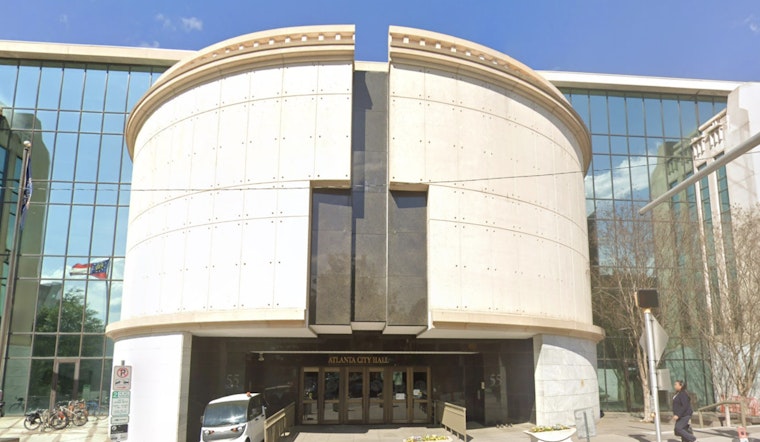
Atlanta’s tech boosters rolled out fresh numbers on Thursday, and City Hall clearly likes what it sees. The new 2025 Tech Impact Report frames the past year as one of concrete hiring and fresh investment across the city’s fintech, AI and cloud sectors. Presented by the mayor’s tech team, the document pitches the current momentum as more than buzz, arguing it reflects real jobs, capital and partnerships that will shape where the city spends on training and infrastructure. It also marks a policy turn toward tying neighborhood workforce programs directly to those growth industries.
As reported by 11Alive, Senior Tech Advisor Donnie Beamer formally unveiled the 2025 Tech Impact Report to the public, highlighting job creation and new investment as the big headline. The station’s coverage notes that the report tracks hiring at both startups and established tech firms and casts incoming capital as a lever to expand opportunity for Atlantans. City officials are treating the document as a roadmap for lining up workforce programs and neighborhood outreach with where the jobs are actually growing.
Key Findings From The Report
The report’s central theme is straightforward: jobs plus capital. That message slots into a broader statewide trend. Georgia logged a record year of corporate commitments in fiscal 2025, with more than $26.3 billion in announced investment and roughly 23,200 projected private-sector jobs, according to figures the governor’s office released last fall. Local leaders point to those statewide totals when explaining why Atlanta’s tech ecosystem is drawing fresh venture and corporate money. Gov. Brian Kemp’s office published those statewide numbers in September 2025.
Big Bets On Infrastructure
Some of the momentum is visible in steel, concrete and server racks. The Associated Press reported recent AI and data center projects tied to major cloud providers in and around Atlanta, a wave of construction that translates into both building trades work and ongoing technical roles once those sites go live. At the same time, those projects are already stirring debates about utility capacity and neighborhood impacts as communities weigh what it means to host large server farms.
Atlanta’s research muscle is growing in parallel. Georgia Tech is building the NSF-funded Nexus AI supercomputer, a $20 million system intended to give researchers across the country access to high-end computing power. The project is designed to plug local talent and industry into national-scale AI experiments without forcing researchers to leave the city to get time on cutting-edge machines. Coverage in the AP and in Georgia Tech News provides those infrastructure details.
Equity, Training And The City's Playbook
The mayor’s Office of Technology and Innovation, led on this effort by Senior Tech Advisor Donnie Beamer, is using the report as cover to push a more aggressive playbook on talent. The strategy pairs clear employer demand with training pipelines and earlier exposure to tech careers in K-12. City materials and regional efforts such as CSforAtlanta focus on creating practical pathways into tech roles for students and residents from historically underrepresented neighborhoods, rather than assuming opportunity will just trickle out from shiny new offices. City documents and regional program pages spell out the education-to-career models officials want to scale.
Questions Around Growth
Growth at this pace is not all upside. While new facilities and research investments create jobs, researchers and planners are flagging infrastructure and environmental questions that have to be managed, particularly around data center water and energy use and about zoning for large industrial campuses. Scholarly work on data center expansion in Georgia points to the need for coordinated planning on utilities and community impacts as demand ramps up. Officials say that balancing job creation, equity goals and infrastructure resilience will be the immediate test as the market expands. Recent research outlines several of those infrastructure challenges.
For now, the 2025 Tech Impact Report gives Atlanta a neatly organized case to present to investors, workforce partners and neighborhood groups that are trying to understand where this is all headed. City leaders say they will publish more granular tracking metrics in the weeks ahead while continuing to court startups and large employers that can turn the report’s momentum into actual hiring. Local meetings and spring tech events will be the next venues to watch for how the city’s plans translate into real jobs and training slots.





