

























































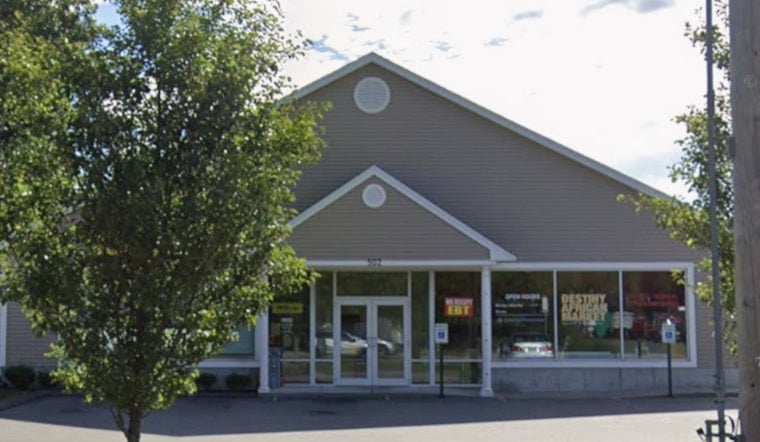
Across Massachusetts, small business owners say the math is starting to break. Costs keep climbing, rules keep multiplying, and many mom-and-pop shops are trimming hours, shelving expansion plans, or cutting staff just to stay alive. From neighborhood grocers to catering outfits and storefront service firms, owners point to rising payroll, insurance and state-mandated assessments that are crushing already thin margins. The squeeze is hitting suburbs outside Boston and downstate main streets alike, where entrepreneurs are wrestling with pricier goods, higher energy bills and extra compliance work on top of simply keeping the doors open.
As reported by the Boston Business Journal, proprietors from Destiny African Market in Randolph to long-running catering operations say mounting costs and regulatory pressures are threatening their survival. The Business Journal's April 30 coverage highlights owners describing sharp inventory price spikes, steeper utility bills and paperwork that often lands on extremely small staffs. Those ground-level stories line up with broader indicators showing that affordability is a growing problem for firms that are not part of the state’s high-growth sectors.
Inflation And Basic Bills Are Still Rising
In the Boston metro area, the cost of everyday life has nudged higher again, dragging business expenses along with it. Consumer prices have increased in recent months, making groceries, fuel and utilities more expensive for both businesses and their customers. According to data from the Bureau of Labor Statistics, the Boston-Cambridge-Newton Consumer Price Index rose 2.0% for the 12 months ending in March 2026, with food up 2.5% and energy jumping 4.9%. For small shops operating on razor-thin margins, even those “modest” increases chip away at cash flow and make it harder to absorb other spikes such as payroll or insurance.
Assessments And Payroll Pressures
On top of higher prices, many employers are still dealing with pandemic-era unemployment insurance financing. A report by the Massachusetts Taxpayers Foundation details roughly $2.7 billion in special-obligation bonds sold to cover federal unemployment insurance loans, along with a COVID-19 Recovery Assessment that has generated hundreds of millions of dollars in employer payments. Those assessments, combined with higher benefit payouts and changes to contribution schedules, have pushed employer costs higher in recent years and left many small operators with far less breathing room. Business owners say that having predictable, transparent timelines for any future assessments would at least give them a fighting chance to plan ahead.
New Mandates Add Compliance Costs
Beyond prices and assessments, business groups and owners point to a steady flow of new rules that bring fresh paperwork, training and potential penalties. The National Federation of Independent Business has warned that a proposed "Secure Choice" retirement program and similar payroll mandates could saddle employers with extra duties and fines if they move forward without sufficient hearings and input from stakeholders. Small operators say every new reporting requirement translates into time or payroll costs, which are especially painful for shops with only a few employees trying to cover all the back-office work.
State Proposals Aim To Blunt The Squeeze
State leaders say they are trying to ease some of that pressure. The Healey administration has filed an economic package designed to lower costs and attract investment, including an 80% cut to the LLC filing fee and an expansion of a small-business energy tax exemption. “We need to lower costs,” Economic Development Secretary Eric Paley said of the proposal, as reported by NBC Boston. The "Mass Wins Act" also includes internship tax credits, site-plan reforms and downtown revitalization funding. Business advocates, though, say the real test will be the fine print and the rollout schedule, which will determine whether any of that help actually reaches Main Street.
What Owners Are Asking For
Local entrepreneurs tell reporters they are not looking for miracles so much as targeted, predictable relief. At the top of the wish list: clearer permitting timelines, grants that can help cover lease and equipment costs, and technical support that brings down energy and payroll expenses. Those requests mirror broader survey signals that employers are heading into 2026 with rising concern about operating costs and red tape, according to The Boston Globe. Owners say policies that shave down one major recurring expense often do more good than a scattershot mix of small, short-term programs.
Lawmakers and small-business groups now have a relatively tight window to turn proposals into action. NBC Boston notes that state rules require bills to be in conference committee by July 31 for consideration this session. If the Mass Wins Act or any other relief measures move quickly enough to make that cutoff, owners say they will still need clear guidance on implementation to figure out whether the promised help will actually show up in their monthly budgets.




