

























































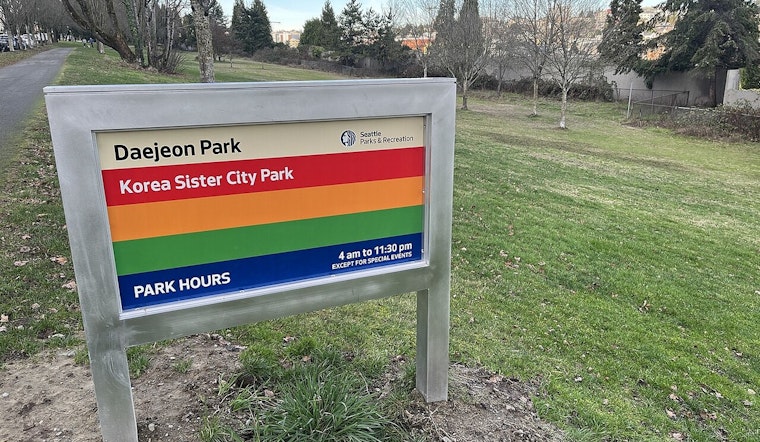
Seattle crews moved through Beacon Hill’s park system on April 9, dismantling a network of homeless encampments and hauling out piles of debris from the wooded greenbelt. Tents were cleared from Daejeon, Lewis and Sturgus parks as police escorted workers enforcing removal notices. The sweep unfolded while the city is publicly vowing to expand shelter capacity before the year is out.
What happened in Beacon Hill
State and city crews spent the day pulling down tents, posting and enforcing removal notices and loading belongings for storage, with Seattle Police and the Washington State Patrol walking the sites alongside them, as reported by KOMO. Notices had gone up earlier in the week at Daejeon Park, Lewis Park and Sturgus Park, where encampments had been growing for months. Outreach teams moved through the area offering shelter options and tracking who accepted services and who chose to stay outside.
Why the city moved now
Mayor Katie Wilson has made expanding shelter a central promise, pledging to add about 1,000 shelter and emergency-housing units this year and to speed up permits for tiny-home projects, according to the mayor’s office. Her administration says the goal is to line up actual alternatives so encampment removals are not just a game of whack-a-mole. City officials frame the Beacon Hill sweep as part of a coordinated outreach and cleanup effort tied directly to those shelter offers.
Neighbors and outreach workers
Outreach workers on site described the Beacon Hill encampments as clustered near dealers and tucked into steep, hard-to-reach sections of the greenbelt. Some people who previously moved into shelter told workers they worry repeated sweeps cut people off from whatever fragile support networks they have. “This is probably as bad as it gets,” one outreach worker said, calling the area “a drug-fueled camp,” according to KOMO. Volunteers and outreach groups such as We Heart Seattle have been working in the neighborhood on park cleanups and one-on-one outreach.
How removals are supposed to work
City rules require outreach and advance posting before any removal, along with storage and public notice of personal property that is taken. Those details are spelled out in the Finance and Administrative Services encampment rule and the Seattle Encampment Response Information System (SERIS). The FAS rule sets timelines for posting and storage, requires outreach visits between the notice and the actual cleanup and directs departments to log encampment actions into SERIS for public tracking. The FAS encampment rule also requires offers of alternatives and specifies how removed property must be recorded and made available for people to reclaim.
Past sweeps and critics' concerns
Advocates and previous reporting have long warned that encampment sweeps can push people into more dangerous, hidden greenbelts where overdoses and assaults are less likely to be seen or reported, including in the Duwamish greenbelt and other wooded areas. Local outlets have also covered similar clearings in Ballard and other neighborhoods this year, where some residents accepted housing while others simply shifted to nearby spots. Critics say that pattern shows how removals without enough shelter or housing often end up as short-term displacement instead of long-term solutions. For more examples and context, see prior reporting by The Seattle Times and locally by KIRO.
What to watch
Whether Beacon Hill sees another round of encampments or a shift toward more “housing first” exits will hinge on how quickly the mayor’s roughly 1,000 promised shelter and emergency-housing units, along with tiny-home projects, actually materialize, city officials say. City reporting systems will show upcoming removal postings and property-storage notices, giving the public a window into where and when sweeps are planned. Upcoming council debates over funding and permits will help determine how fast those alternatives come online, a point both advocates and officials are watching closely.





