

























































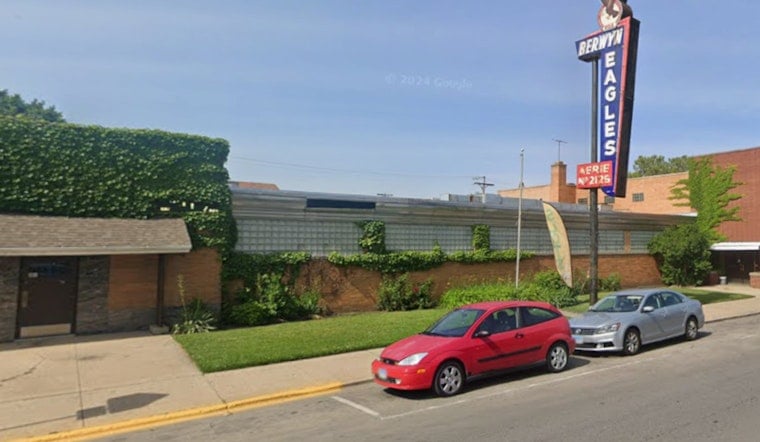
The venerable Berwyn Eagles Club is tapping out of the wrestling business after this weekend, closing a chapter of Chicago independent wrestling that has run for more than two decades. The club's operator confirmed the move just ahead of a final AAW Pro Wrestling "Crush & Destroy" card on Friday and a Saturday lucha night. Promoters and regulars say the decision follows a violent post-show confrontation in late March that rattled the scene. Now shows are being relocated, fans are fundraising, and local wrestlers are staring down the loss of their longtime hometown stage.
Chuck Marose Sr., who runs the club with his wife, told a reporter that all wrestling events will end this weekend, a decision that has left promoters and fans stunned, according to the Chicago Sun-Times. The Eagles hall is owned by the Fraternal Order of Eagles and hosts bingo nights and other community fundraisers, activities organizers worry could be at risk if wrestling money disappears. Promoters say the abrupt cancellations forced them either to scramble for new venues or pull upcoming dates entirely.
March fight, police report and fallout
Video that spread online showed wrestlers and attendees confronting a disruptive fan after a Ruthless Pro Wrestling card on March 28, sparking industry chatter that someone had been stabbed. A redacted incident report released to reporters found no evidence of a stabbing and noted that the Berwyn Police Department closed the case after the wrestler involved chose not to pursue criminal complaints, according to POST Wrestling. The report outlines conflicting eyewitness accounts about who kicked off the melee and whether any weapon ever appeared.
AAW prepares the final bell
Longtime tenant AAW Pro Wrestling said its April 24 "Crush & Destroy" show will be the final wrestling event at the Eagles, and the promotion's website lists the card as sold out, according to AAW Pro Wrestling. The promotion has already started shifting some dates to other venues as it builds a post-Berwyn schedule, and AAW producers said they plan to turn the last night into a full-on farewell for the building. Organizers point to the club's low ticket prices and free parking as reasons it had long been a rare, affordable stop for diehards and first-timers alike.
Promoters scramble as cards move and vanish
Promotions that had the Eagles on their calendars say they were informed the venue would no longer host wrestling, forcing quick relocations and outright cancellations. Game Changer Wrestling moved a June 20 card after being notified, per POST Wrestling. GCW's owner publicly blasted how the March incident was reported, while other promoters described the shutdown as a body blow to the local scene. Now they say they are hunting for cheaper, accessible buildings that might somehow replicate the Eagles' central role in Chicago's independent circuit.
Fans pony up as community weighs the loss
After word got out, a fan-run GoFundMe for the Eagles' operating costs reported raising nearly $1,400 of a $3,000 goal, and community members warned that non-wrestling events could also take a hit if revenues fall off, according to reporting by the Chicago Sun-Times. Berwyn officials told reporters the club's entertainment license had not been revoked, and the chief of police said the hall typically pays for one officer during shows; the department recommended increasing on-site officers to four after the March brawl. Local wrestlers said the loss wipes out an accessible, affordable ring where many of them learned their craft in front of hometown crowds.
For now, the Eagles' April 24 AAW card is set to serve as a last send-off for a building that helped launch careers and hosted major indie names. Whether trustees eventually reverse course or add new safeguards remains an open question. Promoters say the immediate job is simple and brutal: rebook dates and keep local wrestlers working. Fans and performers alike describe the call to end wrestling at the hall as the close of an era for a place many treated as a rite of passage.





