

























































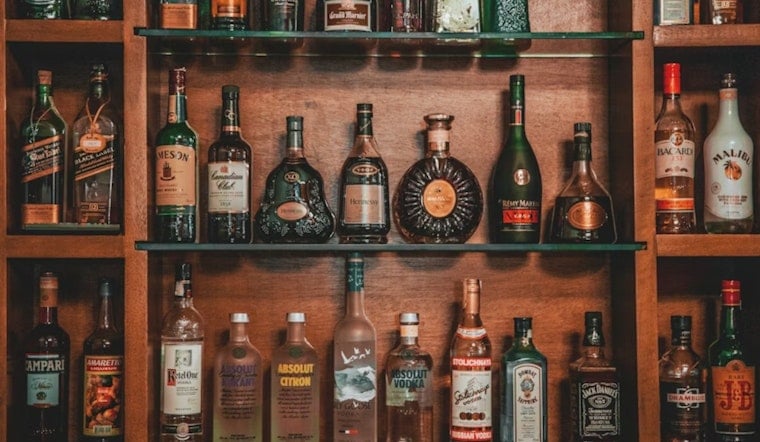
Happy hour is not hitting quite as hard in Metro Detroit, at least on the balance sheet. Bars, restaurants and liquor shops across the region say they are feeling a real squeeze as wholesale spirit purchases in Michigan cool off from last year’s near $1.9 billion total. Smaller orders, slimmer margins and fewer splurges on top-shelf bottles are forcing owners to rethink how they keep the lights on.
The slowdown shows up both in state purchase files and in conversations with operators around the Detroit area who leaned on strong alcohol sales to prop up thin restaurant profits. Now, they say, the bar is not bailing out the kitchen the way it used to.
State records show Michigan licensees purchased about $1,895,123,997 in distilled spirits in 2024, according to the Michigan Liquor Control Commission. The same file lists large local buyers, including Red Wagon Wine Shoppe, which recorded roughly $1.29 million in spirits purchases in 2024. Those public numbers give both businesses and lawmakers a baseline for what many in the industry describe as a painful pullback.
Purchases slipped again in 2025 to roughly $1.78 billion, reporting by The Detroit News, and independent sellers say the change is already stinging. The paper notes Red Wagon’s spirits purchases dipped to about $960,295 in 2025, roughly a 25 percent decline. Industry officials told The Detroit News the fall has caused “financial pain” for some on-premises and off-premises operators, as those steady premium bottle sales that once padded revenue have become harder to count on.
Multiple Forces Are at Work
Ask people in the business what changed and you get a familiar list: stubborn inflation, a long hangover from the pandemic shift toward takeout and delivery, younger adults who brag about moderation, and the steady rise of legal cannabis as a competing way to unwind.
Gallup polling shows a multiyear decline in the share of Americans who say they drink alcohol, with the drop especially pronounced among younger cohorts. At the same time, industry reporting that summarizes state data puts Michigan’s adult-use cannabis market in the roughly $3.2 to $3.3 billion range in 2024, giving consumers another place to park their recreational dollars instead of the liquor aisle.
For owners, that shifting mix of habits and options shows up in the nightly grind. Fewer rounds, more people nursing a single drink, and more tables asking about booze-free cocktails all add up, whether your bar sits in downtown Detroit or a strip mall in the suburbs.
Why Year-to-Year Comparisons Can Be Messy
Stacking 2024 against 2025 is not as simple as it looks. Administrative changes at the Michigan Liquor Control Commission have complicated the picture. Audits uncovered oversight gaps, and the agency has been rolling out a new ordering system to tighten inventory and tracking. That overhaul, and the audit that prompted it, mean raw purchase totals need extra context before anyone declares a lasting trend, according to Crain's Grand Rapids Business.
Retailers on the ground, however, say they do not need a spreadsheet to tell them what they already feel. Smaller case buys, fewer big bottle sales and more cautious inventory planning are tugging on cash flow in a way that is hard to miss.
Legislative Tug-of-War
At the Capitol, lawmakers are kicking around changes that could shift who wins and who loses in this tighter market. House Bill 4113 would raise the discount for designated distributors and on-premises licensees from 17 percent to 23 percent, a tweak supporters say would throw a lifeline to certain sellers that depend heavily on liquor margins.
Fiscal estimates cited by The Detroit News suggest the change could reduce the state’s general fund by about $112.8 million, a hit big enough to give budget watchers pause. As of mid 2025, the bill had not cleared the Senate regulatory committee, leaving bar owners watching the legislative process with the same wary eye they reserve for a slow Saturday night.
For now, many operators from Troy to Detroit are leaning into promotions, tightening inventories and expanding low- and no-alcohol options to entice customers who still want to go out but are drinking less. If spirits purchases continue to slide, the effects will ripple from mom-and-pop neighborhood bars to state budgets that have long counted liquor receipts as some of the most reliable money in the till.





