

























































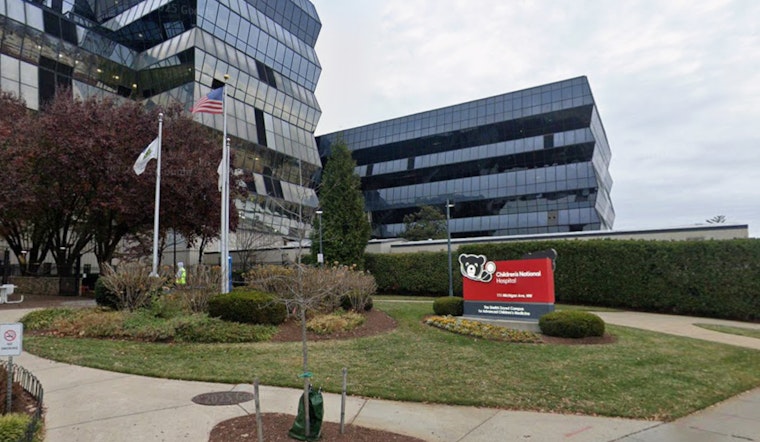
Mayor Muriel Bowser wants to put $1 million of District money on the table to help Children’s National Hospital scout a new main campus without leaving D.C.
The proposal, unveiled Thursday as part of her budget, would bankroll a formal site search as the pediatric giant decides whether to expand or move from its long-used Michigan Avenue campus. The hospital has been based there for roughly half a century, a long run that leaders say is starting to limit future growth options, according to WJLA.
“With the $1 million in my proposed budget, we will work in partnership with Children’s to evaluate potential sites and ensure that high-quality, cutting-edge, accessible care remains available for children and their families right here in Washington, DC,” Bowser said, as reported by WJLA. The mayor’s office is pitching the money as planning and site-evaluation support, not construction cash, and WJLA notes the hospital serves thousands of District residents each year.
Children’s National treats roughly 258,000 patients annually and says it has delivered pediatric care for about 155 years, according to the hospital’s foundation, Children’s National. The system also operates the region’s only American College of Surgeons-verified Level I pediatric trauma center, serving as the referral hub for the most serious emergencies involving children, according to Children’s National.
How the site search will work
The hospital will look at District-owned, federal and privately held properties, weighing factors like room to expand over time, transportation access, nearby amenities and the character of the surrounding community, WJLA reports.
City officials and hospital leaders are stressing that the $1 million is strictly for planning and technical work. The immediate goal is to complete detailed site evaluations and community outreach so any decision about the hospital’s future is grounded in access and long-term growth needs.
If Children’s National ultimately pursues a move or major expansion, that would trigger a multiyear process involving additional financing, permits and extensive neighborhood engagement, according to the parties involved.





