

























































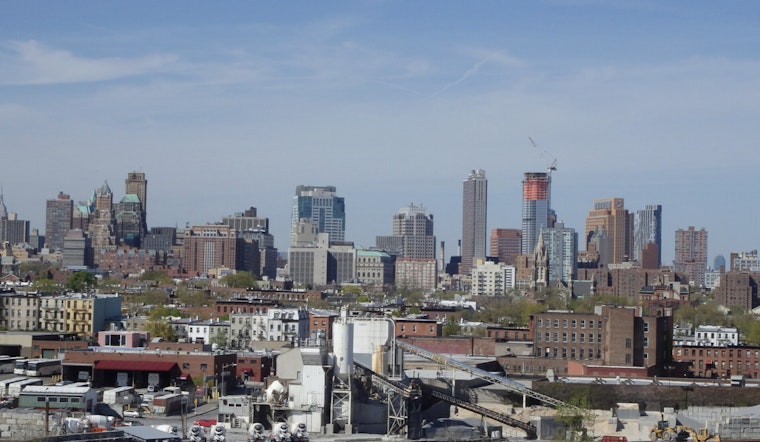
Brooklyn’s office scene is nursing a hangover. More space keeps hitting the market while leasing chugs along in fits and starts, leaving the biggest floor plates and splashiest new towers under real pressure. To keep bodies in seats, landlords are rolling out spec suites, hefty concession packages and refinancing deals, all in an effort to keep occupancy from slipping further. The borough that once sold itself as a scrappy alternative to Manhattan now looks more like a test lab for what “office” means in a hybrid-work era.
According to CBRE, Q4 2025 figures put Brooklyn's availability rate at about 20.1 percent, with average asking rent around $51.66 per square foot. Annual leasing totaled roughly 1.37 million square feet, and full year absorption finished slightly negative, which highlights the gap between leases getting signed and space actually being occupied. As reported by Crain's New York Business, that imbalance has landlords debating whether to double down on amenities, spin up flexible office operators or recapitalize buildings just to buy time.
According to Cushman & Wakefield, Brooklyn still managed about +243,000 square feet of absorption over the past four quarters, a sign that demand is arriving unevenly and concentrating in a handful of well positioned properties. Cushman also notes that the national office recovery is selective, which means Brooklyn’s bright spots sit against a wider backdrop of elevated availability.
Where vacancies cluster
The ULI/PwC Emerging Trends report, drawing on CBRE submarket data, shows DUMBO with vacancy near 29.3 percent, while Downtown Brooklyn's vacancy has climbed into the mid teens. That split reflects a mix of massive new floor plates that are harder to lease in a hybrid world and converted warehouse space that still pulls in smaller, local tenants who like character and manageable footprints.
Why tenants are picky
Brokers told Commercial Observer that tenants are increasingly focused on short term flexibility, strong amenities and commutes that actually work for their teams. Those priorities reward modern, well capitalized buildings and punish older, inflexible properties that cannot easily be chopped up or upgraded. The result is a renewed “flight to quality” inside New York City, which in some cases has reversed the post pandemic swing toward the outer boroughs.
How landlords are responding
Owners are trying a little bit of everything to stop the bleeding. Recapitalizations, prebuilt spec suites and adding flexible operators or retail to activate lobbies and lower floors have all become part of the toolkit. Downtown Brooklyn's One Willoughby Square recently landed a roughly $125 million refinancing and a refreshed leasing push, according to Hoodline, and waterfront projects like 25 Kent are leaning into coworking and flex operators to keep tours and deal flow coming. These moves can help stabilize occupancy in the short term but also underscore the bigger question of who will ultimately own and repurpose underperforming office buildings.
Outlook: conversions and a two speed recovery
Data shared with Axios from Moody's shows U.S. office vacancy near 21 percent in the first quarter, a reminder that the shakeout is national even as a few markets start to tighten. With new office completions down sharply and conversions ramping up, industry trackers at ULI/PwC say the coming months will determine whether Brooklyn's pockets of demand broaden out or the borough stays split between renovated winners and obsolete buildings headed for conversion.
For landlords, tenants and local officials in Brooklyn, the immediate questions are straightforward: will spec suites, rich concessions and loan workouts be enough to stabilize occupancy, or will conversions and a renewed pull back to Manhattan end up reshaping Downtown Brooklyn's skyline. Either way, brokers say the next chapter in this market will be written by whoever moves fastest to tailor space to the realities of hybrid work.



