

























































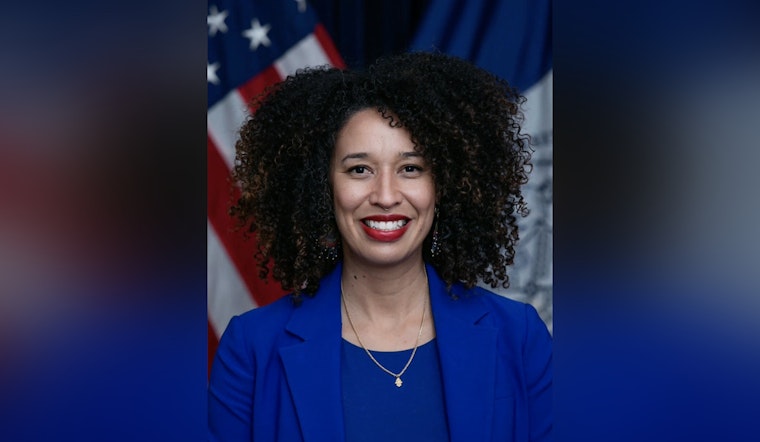
Brooklyn Councilmember Sandra Nurse is swinging for the fences with a new bill that would push New York City’s minimum wage to $30 an hour for large employers by 2030, nearly doubling the current $17 floor. The "30 for Our City" proposal is designed to crank up pay in stages, with big companies going first and smaller businesses getting extra time to catch up.
How the plan would phase in pay
Under the legislation, workplaces with more than 500 employees would see the minimum wage jump to $20 in 2027, then $23 in 2028, $26 in 2029 and $30 in 2030. Smaller employers would follow a slower track and reach $30 by 2032. Supporters say the staggered schedule is meant to put the earliest pressure on deep-pocketed corporations while giving mom-and-pop shops some breathing room to adjust. The timeline and employer thresholds are spelled out in the bill text and coverage of its rollout, according to CBS New York.
Supporters' case and the data
Nurse and labor advocates argue that the current $17 minimum leaves workers struggling just to keep the lights on. "And to actually just meet your basic needs, you need to earn about $38 per hour. Today, we're just asking for $30," Nurse said in coverage of the proposal’s launch. Backers point to Economic Policy Institute modeling that projects roughly 1.68 million New Yorkers, about 36.7% of the city’s wage-earning workforce, would still be making less than $30 an hour by 2030 if nothing changes. EPI provides the analysis that supporters are leaning on.
Business groups warn of fallout
Business leaders are not exactly cheering. The Manhattan Chamber of Commerce blasted Int. 0757-2026 as a near-doubling of labor costs that could push marginal storefronts to close, and called for an independent economic impact study before the city takes such a big swing. Chamber officials argue the bill would slap a heavy new cost on businesses already wrestling with high commercial rents, insurance prices and regulatory requirements. Manhattan Chamber of Commerce leaders have already staked out firm opposition and are pressing for more number-crunching.
Political and legal hurdles
The politics are complicated, and the legal landscape might be even messier. The $30 push echoes Mayor Zohran Mamdani's campaign platform, but legal experts and other observers note that state law could limit how far New York City is allowed to set its own wage floor. That raises the possibility of court fights or the need for state-level action before any local increase can fully take effect. Those questions about preemption and political strategy have made the path from bill introduction to an actual law anything but guaranteed. As reported in national coverage, the role of the state and potential litigation are central complicating factors, according to The Guardian.
What comes next
Nurse has been blunt that "getting a hearing is the first hurdle," signaling that a committee date will be the bill’s first real test, per reporting in the New York Business Journal. The measure, filed as Int. 0757-2026, is slated to be referred to City Council committees where hearings will bring out advocates on both sides, armed with testimony, economic studies and likely a few sidewalk rallies for good measure. Whether the council decides to advance the ordinance will help define the next chapter in New York’s running debate over wages, prices and how much the city should demand from its largest employers.





