

























































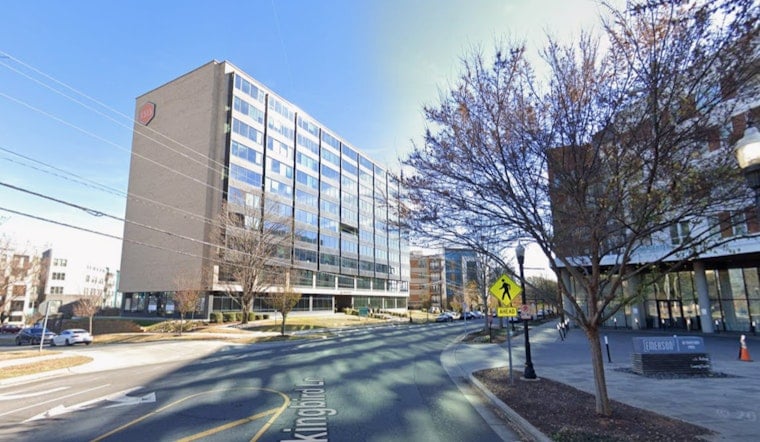
Linville Capital has scooped up Charlotte-based Fitch Irick Corporation, an affordable-housing developer and manager that has grown into a roughly 500-person operation. The deal folds Fitch Irick’s development and property-management businesses into Linville’s affordable-housing platform while keeping company leadership and staff in place. Linville says it plans to invest in scaling projects and widening the firm’s geographic footprint.
Deal details and timing
According to Linville Capital, an affiliate closed the transaction on March 31, 2026. As reported by Charlotte Business Journal, the purchase is structured as a platform deal meant to boost development and management capacity for affordable rentals.
Fitch Irick’s footprint and scale
Trade coverage notes that Fitch Irick has developed more than 50 communities and more than 5,000 newly constructed units since 2014, and that its property-management arm oversees nearly 13,500 units across eight states. Fitch Irick lists its own metrics too, citing more than 350 assets managed and 500-plus employees, underscoring the size of the platform Linville is stepping into.
Linville’s stated growth plan
Linville says it intends to accelerate Fitch Irick’s growth through additional investment in its development and management verticals, targeted geographic expansion and selective acquisitions, according to the company announcement. “America’s affordable housing crisis requires new approaches to creating and preserving communities at scale,” Linville’s announcement quoted Hollis Fitch as saying, casting the deal as a way to move faster on low-income and workforce housing projects.
Why the timing matters for Charlotte
The transaction lands in the middle of a prolonged affordability squeeze. The 2025 Charlotte‑Mecklenburg State of Housing Instability & Homelessness report finds that roughly half of renter households were cost‑burdened in 2024 and documents a persistent shortfall of units affordable to extremely low‑income households. Those shortages, along with a spike in eviction filings in FY25, are the backdrop for an acquisition that could reshape the region’s affordable-housing pipeline for residents in lower income tiers.
Jobs and continuity
Officials said leadership and employees will remain in place during the transition and that the business is actively hiring to expand service capabilities, according to industry coverage. Advisors on the transaction included national and local legal and capital markets teams, signaling a structured handoff rather than a breakup of the company’s local operations.
What to watch next
For Charlotte, the acquisition could translate into more capacity to move projects through complex Low-Income Housing Tax Credit and USDA financing pipelines, but much will hinge on where Linville directs new capital and whether it preserves deeply affordable set-asides in redevelopments. City and county housing agencies and developers will be watching how quickly pipeline projects are funded and whether the expanded platform helps keep units affordable in neighborhoods facing redevelopment pressure.





