

























































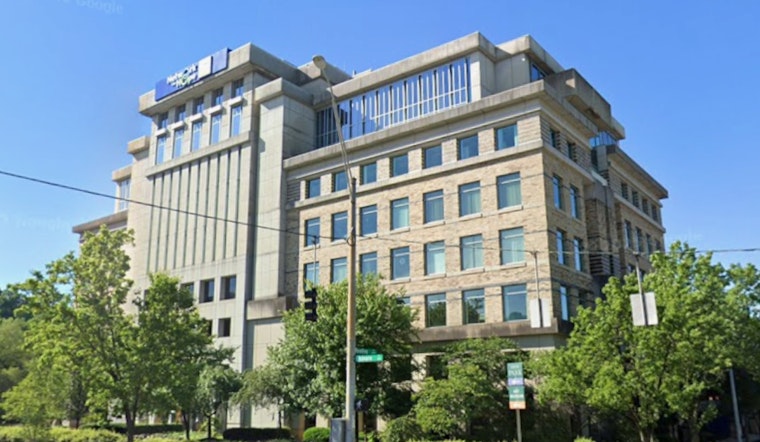
Women Helping Women has traded in-home shifts for a brick-and-mortar command center, opening a new centralized call hub in Cincinnati so advocates can answer hotline calls in person instead of from their couches. The timing is not accidental. The nonprofit says demand has surged across southwest Ohio, with more than 20,000 hotline calls handled last year, and leaders say the new hub is designed to speed responses to hospitals and 911 domestic-violence calls across the region.
Kristin Shrimplin, Women Helping Women’s president and CEO, calls the new space "our main dispatch area" and says it will be used to coordinate rapid responses, she told WLWT. According to the station, advocates will now staff the center in person instead of working remotely, which is expected to make handoffs with law enforcement and medical teams quicker and less clunky.
The organization’s own figures show the hotline logged more than 20,000 contacts recently, and its website lists 20,907 hotline calls in 2025. The crisis line runs 24 hours a day, seven days a week, 365 days a year. For immediate help, the group says survivors can call or text 513-381-5610, according to Women Helping Women.
Hospitals, Police And Bedside Advocates
Shrimplin told WLWT the new hub will serve as the primary hotline number that the 26 hospitals the group works with, along with local law enforcement, will use when they need an advocate at a bedside or on scene. WLWT also reported that the nonprofit maintains offices across Hamilton, Clermont, Butler, Adams, and Brown counties, and that it places campus advocates at the University of Cincinnati and Miami University. By putting call handling and dispatch in one physical space, the center is meant to cut delays in crisis response and centralize coordination as calls climb across the region.
DVERT And On-Scene Advocacy
The center is also meant to strengthen WHW’s Domestic Violence Enhanced Response Team, or DVERT, a 24/7 advocate-initiated program that meets survivors on scene to provide immediate safety planning, hospital accompaniment, and connections to shelter and other services, according to Women Helping Women. The group says DVERT helped shift Cincinnati police practices so that officers now bring advocates to most domestic-violence calls, and that this kind of on-scene advocacy is linked to improved outcomes for survivors.
Local reporting has documented rising demand for crisis services in recent years and tied pandemic-era isolation to spikes in texts and calls. Advocates say that pressure pushed investments in dispatch upgrades and DVERT expansion, WCPO reported. Officials say putting the hotline under one roof will make it easier to train staff, manage caseloads, and coordinate rapid responses across different jurisdictions.
Women Helping Women describes the new center as a practical shift from remote shifts to a dedicated dispatch hub, even as advocates point out that staffing and funding will determine how far the system can stretch to meet rising needs. Survivors seeking help can call or text 513-381-5610 or visit the organization’s website for locations and services.





