

























































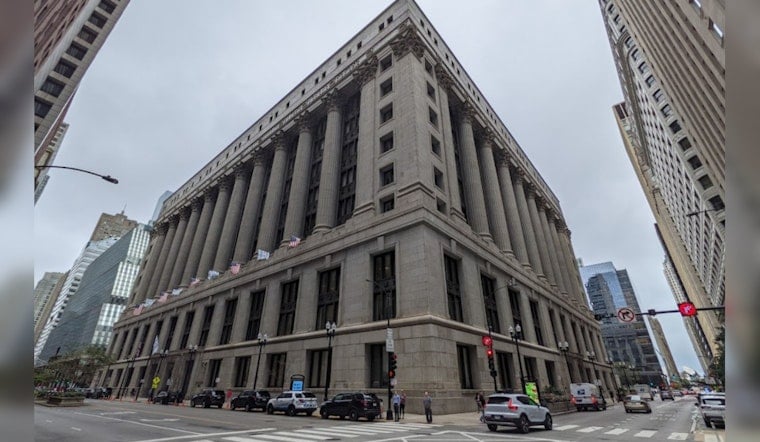
Chicago has quietly inked a fresh deal with consulting powerhouse Ernst & Young to dig through city operations and squeeze out budget savings, as officials scramble to fill a widening shortfall. The work builds on a 2025 review that flagged hundreds of millions of dollars in potential efficiencies in procurement, the city’s vehicle fleet, and Chicago’s real estate footprint.
Details Of The New Engagement
As reported by Crain's Chicago Business, the city finalized the latest Ernst & Young deal on April 27, 2026, and instructed the firm to move beyond diagnosis and into concrete, implementable options that could generate recurring savings. City procurement records list a March 26, 2026, reference agreement tied to the Office of Budget & Management, with a ceiling of up to $6,720,000 in available work orders for Ernst & Young to carry out, according to the city contracts database.
What Ernst & Young Found Last Year
In October 2025, an Ernst & Young "Financial and Strategic Reform Options" report laid out more than 100 possible measures and estimated between $530 million and $1.396 billion in potential cost savings and new revenue. The menu ran from relatively modest procurement and fleet tweaks to far more sweeping steps, including consolidating office space and changing how some city services are delivered, according to The Bond Buyer.
City Hall Reaction And Aldermen Pushback
Several aldermen argue that only a thin slice of those recommendations ended up in Mayor Brandon Johnson’s 2026 budget and have pushed for public hearings so the consultants can walk through what was adopted and what was left on the cutting-room floor. A group of council members even scheduled a special meeting to question Ernst & Young after taxpayers covered the original review, a roughly $3.2 million engagement, according to reporting by CBS Chicago.
Implementation Will Be Politically Difficult
Turning a thick stack of recommendations into recurring savings is neither automatic nor cheap. The Ernst & Young analysis itself labels many of the biggest-dollar ideas as low feasibility, citing the need for collective bargaining wins, upfront investments or significant changes to how services are delivered, according to the Ernst & Young report. Local watchdogs at the Civic Federation have urged the city to carefully sequence reforms and clearly spell out which changes are structural and which are one-time, arguing the 2026 budget still leans heavily on short-term fixes instead of durable reforms (Civic Federation).
What To Watch Next
Expect a parade of Office of Budget & Management briefings and subject-matter hearings in the weeks ahead, as aldermen press for timelines, cost estimates and detailed implementation plans. The procurement documents give budget officials room to tap Ernst & Young for more work as needed, but how much of the reform roadmap turns into actual, recurring savings will depend on those hearings, negotiations with unions and the administration’s appetite for structural change, factors that Crain's notes will shape the coming budget cycle.





