

























































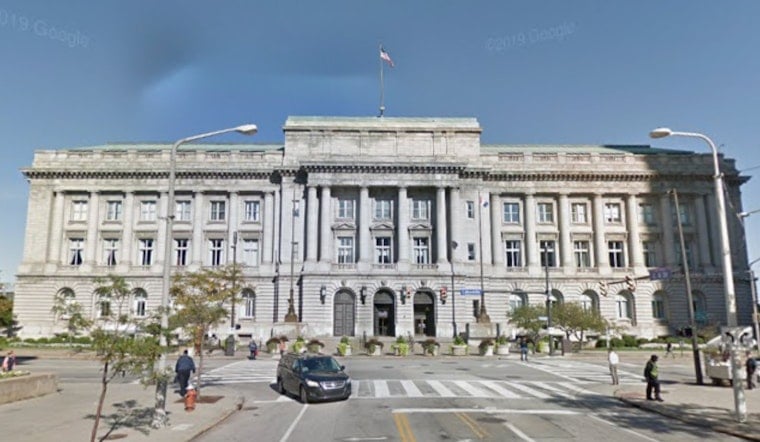
Cleveland City Council has signed off on spending $125,000 to bring in an outside consultant to help roll out the city’s form‑based “Smart Code” beyond its three pilot neighborhoods. City officials say the work will center on turning lessons from the 2024 pilot into citywide rules for streetscapes, accessory dwelling units and district types. The move is intended to speed up predictable, walkable development, but several council members warned the code could accelerate displacement if it is not paired with targeted anti‑displacement measures.
Council funding and staff remarks
As reported by Cleveland Scene, Council approved the $125,000 allocation at an April meeting to let the City Planning Commission hire a firm to map out the rollout and recommend edits. Chief Zoning Administrator Shannon Leonard told the finance committee that a vetted consultant could help fine‑tune lessons from the 2024 pilot, while Ward 10 Councilman Michael Polensek cautioned against rules that might unduly deter builders. The article also noted it was unclear when a formal request for proposals would be issued.
Pilots and legal groundwork
The Smart Code, enacted as Title VII‑A, has been piloted in Detroit‑Shoreway/Cudell, Hough and parts of the Opportunity Corridor, according to City Planning Commission notices and rezoning materials. Cleveland City Planning lays out the new districts and design standards that replace portions of the city’s older Euclidean zoning. City Council also approved an emergency ordinance authorizing the Director of City Planning to hire consultants to enhance the pilot and expand the code; the council record is available on Legistar.
What Smart Code aims to change
Form‑based codes prioritize the public realm, including building placement, storefront transparency, sidewalks and the street edge, rather than simply separating land uses, with the aim of creating more walkable, mixed‑use blocks. Smart Growth America says the best form‑based codes are graphic‑rich, user‑friendly and designed to produce predictable urban form. Cleveland planners say the city's Smart Code emphasizes pocket parks, bike lanes and clearer ground‑floor rules to encourage pedestrian activity.
Equity and displacement questions
Several council members raised alarms that form‑based rules, by making some areas more attractive to developers, can hasten redevelopment and displacement if not paired with protections. Ward 5 Councilman Richard Starr asked how the city would avoid “accelerating displacement,” and staff acknowledged that zoning alone will not stop gentrification, according to Cleveland Scene. The Form‑Based Codes Institute emphasizes that equitable code adoption requires implementation tools and community‑driven safeguards, and points to its standards of practice as one framework.
Next steps and timeline
The emergency ordinance authorizes one‑year consultant contracts with up to three one‑year renewals, giving planners a defined window to test calibrations and run outreach, per Legistar. Planners and neighborhood groups will be watching for the city’s procurement schedule and for whether the consultant recommends pairing code changes with targeted anti‑displacement measures. The choices baked into the consultant’s scope and any resulting policy package will help determine whether Smart Code shores up walkable neighborhoods or simply speeds redevelopment pressures without added protections for existing residents.




