

























































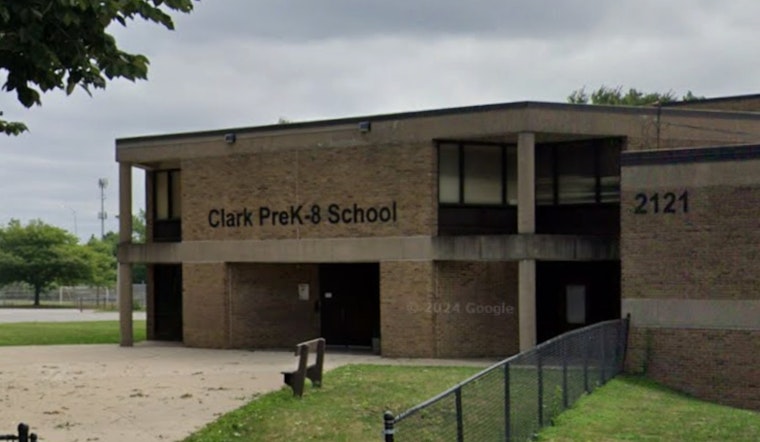
A Cleveland mom says what should have been a routine visit to the school nurse turned into a medical scare that ended in the hospital. She claims Clark Elementary staff did not follow her second-grade son's seizure action plan, treated him for asthma instead, and that he later suffered a seizure and injuries after leaving campus.
Alexandra Parsons told reporters staff at Clark Elementary called her on Wednesday to say her son was in the nurse’s office, having trouble breathing and "shaking." Parsons says that description should have triggered the written seizure plan she says has been on file for three years, which instructs staff to call 911 if he shows seizure activity.
Mother's Account and Hospital Records
Parsons says that instead of calling 911, staff treated her son as if he were having an asthma episode and gave him his inhaler, even as he continued to shake. She says she picked him up and drove home, where he had a full seizure about 10 minutes later.
Parsons told WOIO she then took him for emergency care. Hospital records she shared with the station confirm he suffered a seizure and a fractured kneecap. Doctors told WOIO that those injuries could be consistent with the stiffening that can happen during a seizure. Parsons says her son spent the night in the hospital and was released the following evening.
What Ohio Law Requires
Ohio law spells out how schools are supposed to handle students with seizure disorders. State statute requires districts to create individualized seizure action plans and to notify and train staff who interact with those students.
Under Ohio Revised Code Section 3313.7117, a school nurse, or a designee if no nurse is employed, must work with parents to develop the seizure plan, provide copies to employees who regularly work with the student, and make sure at least one non-nurse employee in each building is trained on seizure plans every two years. The statute is designed to give families a clear expectation that written instructions in an individualized plan will be followed during the school day and at school activities.
District Response and Next Steps
The Cleveland Metropolitan School District told WOIO the situation "is being taken seriously and investigated." The district did not provide the station with further details about how long the review might take, what it will cover, or whether any disciplinary action or additional training could follow.
While the district looks into what happened, Parsons says she is seeking a transfer for her son to another school building where she believes he will be safer.
Legal Implications
The same seizure-plan statute that lays out schools' duties also includes a qualified immunity provision. It shields districts and employees from civil liability for carrying out those duties unless their conduct amounts to willful or wanton misconduct, as described in Ohio Revised Code Section 3313.7117.
That legal language means any formal review will focus on whether staff followed the written seizure plan and their training, and whether any failure to do so was simply a mistake or rose to the level of recklessness. Families who believe a child's seizure plan was ignored can push the district for answers, file complaints with state authorities, or talk with an attorney about potential next steps.
Parents and Safety Concerns
Parsons says she wants her son, Lomarion, moved to a different school and hopes the district's investigation results in clearer procedures and stronger staff training around seizure plans.
Advocates and families often point to Ohio's seizure-plan requirements as a baseline for safety, and both parents and districts say regular review and communication are key to keeping medical emergencies from turning into something worse. This story will be updated if the district releases more information or when the investigation is complete.





