

























































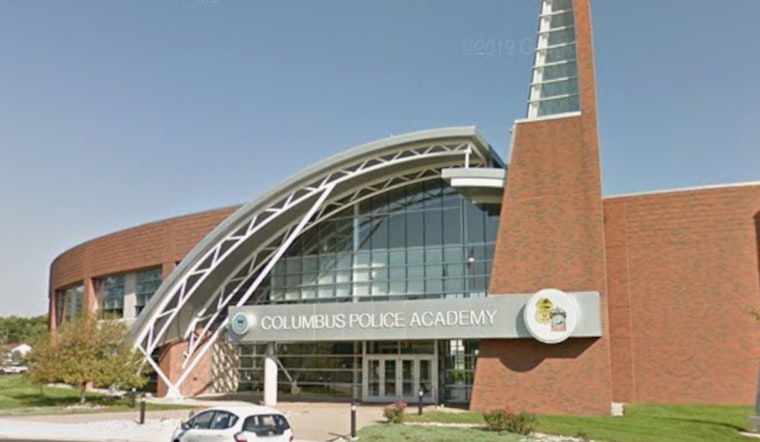
Columbus is logging a clear drop in violent crime even though the city's sworn police ranks are still thinner than many local leaders would like. The slide in shootings and homicides is reshaping how officials weigh rebuilding the police force against expanding prevention and alternative response programs.
The Department of Public Safety told local reporters that the Columbus Division of Police had about 1,925 sworn officers on Jan. 1, 2026, down from roughly 1,985 at the department's recent peak in 2019, according to WBNS. Federal employment snapshots put full time sworn staff closer to 1,870 in 2024, giving a slightly different picture depending on the data set, and those figures are catalogued by the Police Funding Database. The discrepancy highlights how staffing benchmarks can vary between positions on paper and officers actually on the street.
Violent crime is down
Columbus recorded 84 homicides in 2025, the fewest in 16 years, and overall violent crime trended downward, according to reporting based on division data. Police and city leaders have pointed to improved investigations, targeted units and community violence prevention work as drivers of the improvement, Axios reports.
Mayor's hiring push and the numbers
Mayor Andrew Ginther's proposed 2026 operating budget funds two recruit classes that could add up to 120 new officers, while also budgeting for separations and replacement classes, as laid out in the city's proposed budget document. City officials say the classes are intended to shore up patrol coverage and keep the recruitment pipeline moving, although academy timelines and attrition mean immediate net gains are expected to be limited. The full plan appears in the City of Columbus' 2026 operating budget.
How the city is trying to keep violence down
Researchers and local officials say staffing levels matter, but so does how officers are deployed and whether investigations get the resources they need. Columbus' pilot Non Fatal Shooting Team solved roughly 75 percent of its first 78 cases, a result cited by researchers as a factor behind rising clearance rates, and independent workforce snapshots show recruitment and retention remain central constraints, per Arnold Ventures.
The numbers leave city leaders with a practical choice: sustain the downward crime trend with targeted policing and prevention while also rebuilding a force that can reliably cover a growing city. Recruitment, academy timelines and program expansions are likely to dominate public safety debates as budget and hiring plans play out in 2026.





