

























































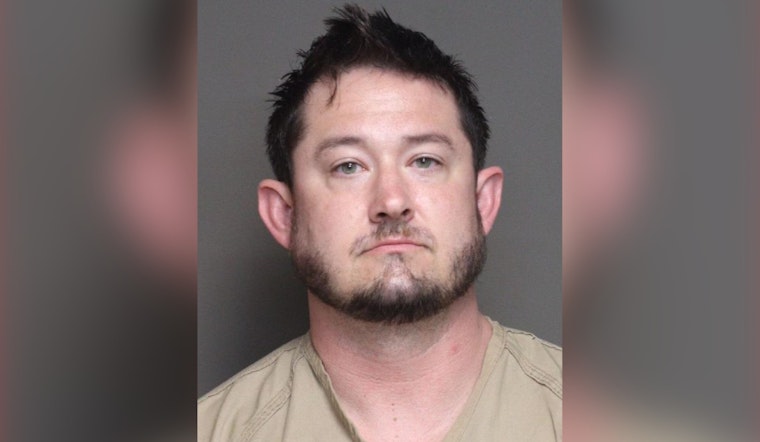
James Strahler II pleaded guilty Tuesday in federal court to cyberstalking and producing AI-generated sexual abuse material, becoming the first person in the country convicted under the new TAKE IT DOWN Act. The plea, entered in U.S. District Court in Columbus, instantly turned a local case into a national test run for how prosecutors plan to use the law against deepfake sexual exploitation.
According to U.S. court records, Strahler admitted that he used more than 100 AI models to harass at least six women and multiple children, creating pornographic AI videos between December 2024 and June 2025 and sending them to the victims' coworkers. Federal agents say he also superimposed the faces of minor boys onto explicit images and uploaded hundreds of those images to a website devoted to child sexual abuse. He was arrested in June 2025 and is now awaiting sentencing, as reported by WTTE.
"We will use every tool at our disposal," U.S. Attorney Dominick S. Gerace II said in a statement on the case. The investigation pulled in the Hilliard Police Department, the Delaware County Sheriff's Office and the Maryland AI and Synthetic Media Threats Task Force, according to prosecutors' filings and statements reported by WTTE.
What the TAKE IT DOWN Act does
The TAKE IT DOWN Act, passed by Congress and signed into law in 2025, makes it a federal crime to knowingly publish or threaten to publish nonconsensual intimate images, including AI-generated deepfakes. It also requires online platforms to remove that material within 48 hours of receiving a verified notice. The statute creates separate offenses for authentic and digitally altered imagery and gives federal agencies new tools to enforce those rules, per reporting by AP.
Local and national stakes
Legal observers say Strahler's guilty plea will likely serve as an early blueprint for how aggressively federal prosecutors deploy the new law and how quickly platforms are expected to honor removal demands. Survivors' advocates have hailed the case as a key use of federal power to protect victims of image-based abuse, while civil-liberties advocates have raised red flags that tight deadlines and broad definitions in the law could spark free-speech and implementation issues, as discussed by advocacy groups such as RAINN.
Legal implications
Strahler pleaded guilty to federal counts related to cyberstalking and producing AI-generated sexual abuse material, with sentencing to be set by the court. The Congressional Research Service notes that the TAKE IT DOWN Act establishes seven separate publication- and threat-related offenses and lays out penalties that range from shorter terms for certain digital-forgery threats up to multi-year prison sentences for publication offenses involving minors, according to a CRS overview on Congress.gov.
Sentencing has not yet been scheduled, but the outcome is expected to become a benchmark for how courts, prosecutors and platforms interpret the scope of the new law and deal with the real-world challenge of policing AI-generated sexual content.





