

























































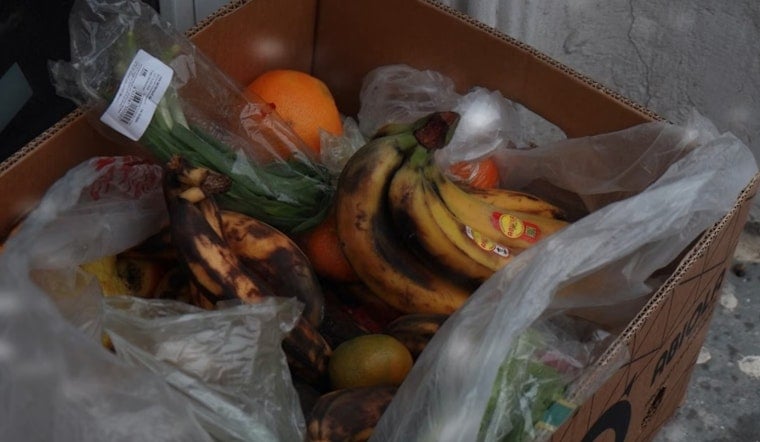
Columbus is turning yesterday’s leftovers into tomorrow’s soil. SWACO and the City of Columbus have opened a new food waste processing facility in the city, a pilot plant officials say will turn leftover food into nutrient rich compost while testing systems the region could eventually scale up. The site is billed as a "learning lab" for future composting projects and as a way to cut the volume of organic material entering the Franklin County Sanitary Landfill, which city and county leaders describe as a practical move toward the region’s climate and landfill diversion goals.
New 'Learning Lab' Takes On a Million Pound Problem
As reported by NBC4, the plant is being described as the only Class Two composting facility in central Ohio and will accept food scraps that are then processed into compost. The station notes that the facility will be used to test how food waste is collected, hauled, and processed, to use those lessons to shape a broader rollout of composting capacity across the region.
Food Waste Is a Big Chunk of the Trash Pile
According to SWACO, food scraps make up roughly 15% of the local waste stream, and nearly 1 million pounds of food reach the Franklin County landfill every day. Those numbers are the main rationale for the new processing hub, and officials say diverting even a fraction of that material helps cut methane emissions while also stretching limited landfill space.
Drop Offs, Business Pilots and What to Bring
The City of Columbus already runs a network of food scrap drop-off sites, and the city says those locations, along with business programs, will supply material for the new composting effort. As outlined by the City of Columbus, accepted items include fruits, vegetables, coffee grounds, dairy, and small amounts of cooked meat, along with some compostable serviceware if it carries a BPI certification. Officials emphasize that the project is designed to match processing capacity with education, so residents and restaurants know exactly which items belong in an organics stream instead of the trash.
Why Being 'Class Two' Counts
Ohio EPA’s composting rules divide facilities into different classes based on what they can accept and how they are regulated. Class Two facilities are licensed to take food waste alongside yard trimmings and must meet requirements such as registration, financial assurance, and annual reporting. Per Ohio EPA guidance, these rules are meant to protect public health while allowing diversion at scale. The classification underscores that the new hub is set up as more than a simple drop-off site, it is a fully permitted processing operation.
How Columbus Plans to Scale Up Composting
SWACO says the facility will function as a model site to refine hauling routes, work with local haulers, and test business incentives before the region commits to building additional processing capacity. As detailed in SWACO’s strategy, leaders want the pilot to surface innovations that could attract private investment and help expand organic recycling across Franklin County. The initial phase is expected to inform what equipment, hauling contracts, and public outreach efforts are necessary to make curbside or commercial composting more widely available.
“We receive over a million pounds of food waste every day in our landfill; it is the largest material that comes into our landfill,” SWACO Executive Director Joe Lombardi told NBC4. City officials say they will keep expanding drop-off options and educational outreach while they track the pilot’s results, and they plan to use that data before committing to larger facilities.





