

























































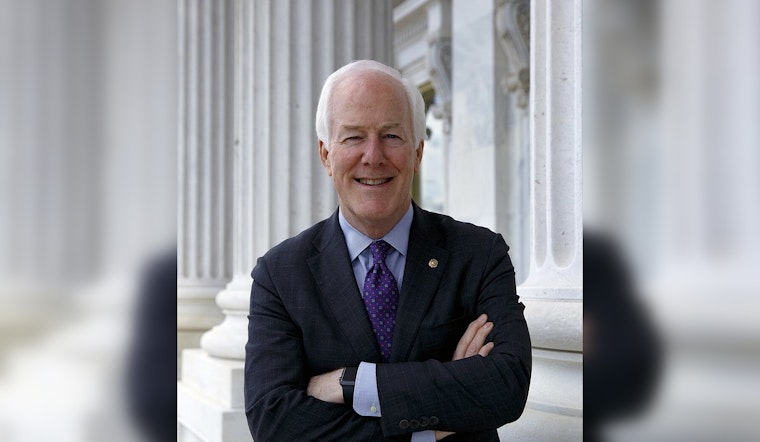
Sen. John Cornyn’s fast-track bid to pull federal dollars from the César E. Chávez National Monument and shut it down ran aground on the Senate floor Tuesday, after Sen. Martin Heinrich stepped in with a competing plan that kept the Keene, California, site alive for now.
What Cornyn Put On The Table
In a press release, Sen. John Cornyn’s office said his No Funding to Honor Crime Scenes Act would “immediately close the César E. Chávez National Monument,” authorize the sale of the federal land that includes Chávez’s home and gravesite, and redirect the money to the Debbie Smith DNA Backlog Grant Program, which supports services for survivors. On the floor, Cornyn called the monument “literally a crime scene” and argued that any federal savings should help victims rather than preserve a memorial to Chávez.
Heinrich Hits The Brakes
When Cornyn sought unanimous consent to move his bill, Sen. Martin Heinrich objected and offered a substitute amendment instead. The Senate Energy and Natural Resources Committee said Heinrich’s proposal would keep the monument in place while directing the National Park Service to consult with farmworker groups and survivors, and it could allow for a temporary closure during that review. The move blocked Cornyn’s language from advancing and drew sharp criticism from Cornyn and other Republicans, an exchange detailed by the El Paso Times.
Allegations Rock Chávez Legacy
The showdown traces back to a New York Times investigation that laid out allegations that Chávez sexually abused women and girls, including longtime colleague Dolores Huerta, setting off a wave of cancellations and renamings across the country. The Associated Press reported that schools, unions and local governments have paused ceremonies and begun reconsidering honors bearing Chávez’s name as communities and lawmakers decide what to do next.
What Happens To The Monument Now
For the Chávez site in Keene, the future is murky. Permanent divestment would require explicit congressional authority or executive action spelling out how the federal land would be sold or otherwise disposed of, steps Cornyn’s bill specifically laid out, according to Sen. Cornyn’s office. In the meantime, the National Park Service continues to manage the monument while lawmakers and federal officials argue over whether it should ultimately be preserved, renamed or sold off.





