

























































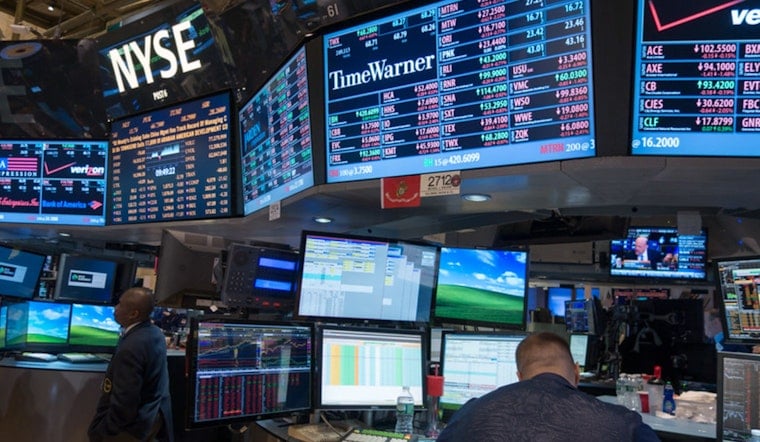
America's corner offices are catching a cold. Chief executives across the U.S. have turned sharply more pessimistic about the near-term economy, hinting at possible pullbacks in hiring and spending that could filter down into local job markets. That change in tone is being watched closely by employers and investors from Wall Street trading floors to Silicon Valley campuses.
Survey Drops Into The Red
According to a press release by The Conference Board, its Measure of CEO Confidence fell to 47 in Q2 2026 from 59 in Q1, based on a survey of 141 CEOs conducted May 4-18. The group notes that any reading below 50 means negative outlooks outnumber positive ones, and reported that "CEO confidence fell back into negative territory" as leaders said the economy is materially worse than it was six months ago.
Growth Comes In Softer Than Hoped
The U.S. Bureau of Economic Analysis' third estimate showed fourth-quarter 2025 GDP rose at a 0.5% annualized rate, a downward revision that trimmed recent momentum, according to the BEA. That result fell short of economists' forecasts of about 0.7%, a gap noted in coverage by FOX 10 Phoenix.
Hiring, Wages And Capex Plans
The Conference Board survey found that 31% of CEOs expect to reduce headcount over the next six months, outpacing the 28% who plan to add staff, while 40% said they expect economic conditions to worsen. Planned wage increases are clustered in the 3-4% range, and 53% of respondents reported "some problems" hiring qualified people. At the same time, the share of leaders planning to boost capital spending ticked up modestly, suggesting companies are putting more emphasis on productivity investments than on broad-based hiring cuts.
What Keeps Executives Up At Night
Executives ranked cyber threats, geopolitical tensions and AI adoption among their top worries, and concerns about supply chains and energy costs rose in Q2. Analysts at Axios noted that the ongoing Middle East conflict and other shocks have undercut the momentum that had pushed confidence higher earlier in 2026.
How The Gloom Could Hit Home
That more cautious tone matters in places where big employers set the pace. Banks and financial firms on Wall Street may slow junior hiring and pull back on campus recruiting, while Bay Area tech companies could lean toward selective hiring and automation instead of broad headcount gains. For workers and small businesses that depend on corporate hiring, the near-term risk is slower job growth and tougher wage negotiations if the current mood in the C-suite sticks around.
What To Watch Next
Markets and municipal employers will be combing through corporate earnings, upcoming jobs reports and the next round of CEO sentiment readings to see whether this downturn in confidence deepens. If pessimism holds, hiring and local spending are likely to be the first places where the strain shows up.



