

























































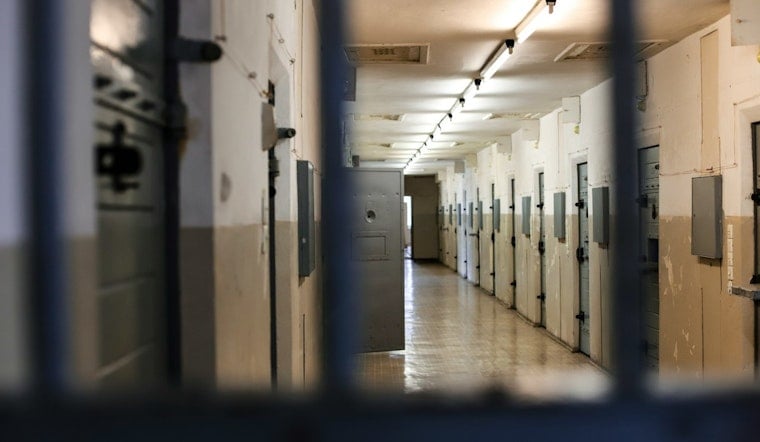
Christopher Payne, a Crown Point native from northwest Indiana, is sitting in a Tokyo jail cell insisting he was wrongly convicted in a Japanese sexual-assault case. A higher court has already flagged serious problems with the key DNA evidence, and independent experts have raised red flags of their own. Even so, Payne remains in solitary confinement, his supporters say his health is slipping, and the clock is ticking as a retrial inches forward.
According to CBS Chicago, Payne voluntarily gave police a DNA swab in February 2020. Months later, that sample was described as "consistent" with trace DNA recovered from a July 2018 attack in Ichikawa, and he was arrested. His mother, Ronda Payne, has been lobbying lawmakers and launched a petition demanding due process. Indiana Congressman Frank Mrvan's office told CBS it reached out to the U.S. ambassador to Japan in May 2025 about consular visits. The family says Payne has repeatedly vomited blood and suffers from persistent headaches, and they worry he might not survive long enough to see a new trial.
Appeal Exposes Cracks In DNA Evidence
Defense lawyers say an independent mitochondrial DNA test did not detect Payne's profile at all, and that prosecutors failed to fully share the raw electronic data from their own testing. Those irregularities were laid out in detail by Number 1 Shimbun. In December 2025, the Tokyo High Court acknowledged concerns about the DNA work, overturned Payne's original guilty verdict, and sent the case back to the Chiba District Court for a retrial, although the judges stopped short of declaring him innocent.
Forensic Consultant Says Lab Files Look "Edited"
Forensic DNA consultant Simon Ford told CBS Chicago that the prosecution's electropherogram charts appeared to have been altered. He said the analyst ran the test more than 30 times while trying to secure a match. According to Ford, those kinds of practices would not pass admissibility standards in U.S. courts, and his review helped push the high court to question the evidence that originally put Payne behind bars.
Retrial On Deck, Bail Bid Denied
The remand has sent Payne's case back to the Chiba District Court and cleared the path for a new trial, as reported by The Japan Times. Defense attorneys say they applied for bail and surrendered Payne's passport to the court in an effort to secure his release while the schedule is worked out. Judges have kept him detained while those details are sorted, according to Number 1 Shimbun.
Why The Case Has Drawn Wider Fire
Supporters and legal observers describe Payne's case as a concentrated example of long-standing criticism of Japan's detention and evidence-disclosure practices, sometimes labeled "hostage justice." They say it also highlights serious gaps in how DNA evidence is collected, analyzed, and shared, concerns that were laid out in a press conference notice and in analyses by FCCJ and Innocence Project Japan. Defense lawyers say forcing prosecutors to hand over raw DNA files, a first in a Japanese criminal appeal, allowed independent re-analyses that helped sway the high court toward ordering a retrial.
In the meantime, Payne's family is trying to keep public pressure on. They have launched a petition that calls for due process and urges U.S. officials to watch the case closely, according to Change.org. His attorneys warn that a full retrial could still take years. Supporters say that timeline, paired with the health problems Payne has reported from inside detention, adds a layer of urgency to a legal fight that is already testing the limits of Japan's justice system.





