

























































Charlotte is gearing up for a familiar fight over traffic enforcement, as City Council prepares to debate whether red light cameras should make a comeback at busy intersections across town. The push is fueled by mounting safety worries and a deadly January hit-and-run on The Plaza that has rattled neighbors and energized street-safety advocates who say the city needs faster, automated enforcement.
Supporters argue that cameras could home in on chronic red light running at the city’s most dangerous intersections. Skeptics are expected to push back hard on issues of fairness, privacy and what it would mean for drivers who receive citations in the mail instead of from an officer on the roadside.
Council members are set to talk through the idea at an upcoming meeting and could ask staff to return with options for a pilot program and draft ordinance language, according to WCNC. City staff would also be tasked with explaining how any renewed camera program would be structured to comply with state law and how it could be paired with engineering changes and public outreach, that report notes.
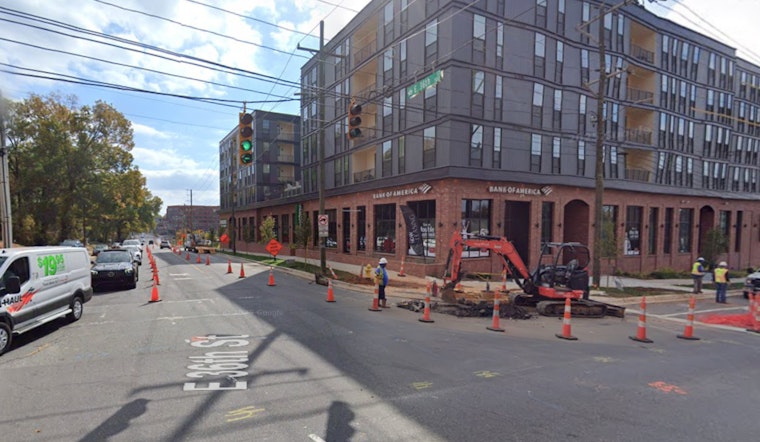
The renewed urgency follows a fatal crash on Jan. 14 in east Charlotte. Police say 25-year-old Lance Andreas Jesus Sotelo was hit on the 3300 block of The Plaza at East 36th Street when a white Chevrolet Impala ran a red light and sped away, per a Jan. 15 CMPD press release. CMPD later reported that the driver turned herself in and now faces felony hit-and-run and involuntary manslaughter charges.
Legal Change Clears The Way
For years, one of the biggest obstacles to red light cameras in North Carolina was money, not technology. That shifted in May 2024, when the state’s Supreme Court ruled in Fearrington v. City of Greenville that municipalities may recover reasonable operating costs for red light camera programs, with the remaining proceeds routed to public schools. Officials and advocates say that decision removes the core financial roadblock that led Charlotte to shutter its earlier camera effort, according to the North Carolina Supreme Court.
Advocates Press City Hall
Street-safety advocates are wasting no time trying to fill that legal opening. Local nonprofit Sustain Charlotte is urging council to adopt a red light camera ordinance that zeroes in on high-injury intersections and directs any revenue left over after reasonable costs to local schools. In a recent statement, the group cited county Vision Zero data that shows thousands of intersection-related crashes tied to drivers ignoring traffic signals and recommended pairing cameras with targeted engineering fixes and a clear, transparent appeals process, according to Sustain Charlotte.
What The Evidence Shows
Decades of research give red light cameras some solid backing in the safety department. Analyses from the Insurance Institute for Highway Safety and federal reviews have found that automated enforcement reduces fatal red-light-running crashes and the most dangerous right-angle collisions. Some studies do flag modest bumps in rear-end crashes when cameras first arrive, usually from drivers slamming on the brakes at the last second.
Those tradeoffs tend to shrink when cities choose camera locations using crash data and high-injury network maps, and when cameras roll out alongside signal-timing tweaks and other engineering changes, according to IIHS and federal studies.
What Comes Next At City Hall
If council gives staff the nod to explore a program, the next steps would look fairly standard for City Hall: drafting ordinance language, opening a public comment period and sending the proposal through committee review before any full council vote. The city’s meeting calendars and agenda packets outline how those business steps usually play out. Residents who want to track the debate can follow upcoming business meetings and committee agendas through the city’s public Legistar portal, per the City of Charlotte Legistar.
Council Member JD Mazuera Arias, who told WSOC he knew Sotelo personally, has been among the most vocal backers of stronger enforcement. "Sotelo’s death was heartbreaking, and it was preventable," Mazuera Arias said. City leaders and advocates say any camera program that emerges would likely stress data-driven site selection, an administrative appeals process and public education before the first citations are issued.




