


























































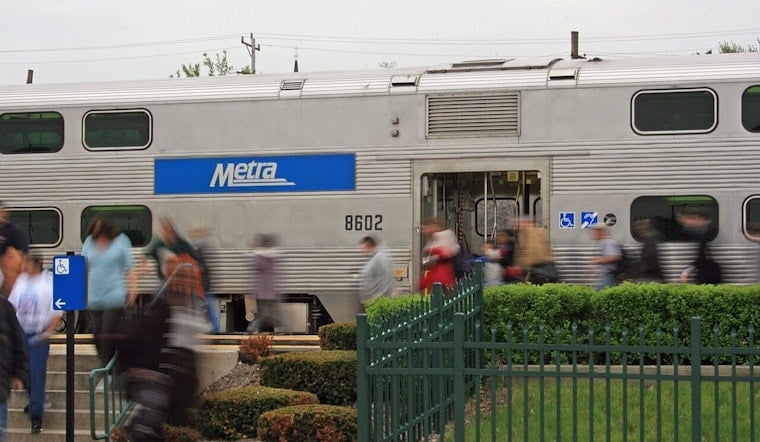
DeKalb is officially back in the commuter-rail game, signing off on a fresh study that will test whether Metra trains could once again roll into downtown and the Northern Illinois University area from the existing Elburn station. City officials say the work will dig into safety, environmental impacts, and the rail and station construction that would be needed, to line DeKalb up for major federal grants if the corridor ultimately checks out.
Who’s doing the study
The City has hired T.Y. Lin International Great Lakes, Inc. to run a Planning and Environmental Linkages (PEL) study on the Union Pacific corridor between Elburn and DeKalb. As reported by Shaw Local, the firm was picked from a short list of proposers and will handle the technical homework needed to see if passenger trains can share the line with the freight traffic already there.
Funding and the federal doorway
The study is being bankrolled by a $400,000 Illinois Department of Transportation technical-assistance award, paired with a $100,000 local match that the city has set aside, covering roughly 80% of eligible costs. Under the IDOT planning program, a PEL is meant to feed directly into environmental review and can later support applications to the Federal Transit Administration for New or Small Starts funding if a locally preferred alternative is chosen. IDOT lays out those funding rules and the NEPA connections in its planning documents.
Ridership spike that’s driving interest
City staff are pointing straight at the Route 12 shuttle to Elburn to explain why they think the timing is right. City documents show annual boardings on that route jumped from around 3,100 in 2019 to ridership in the tens of thousands by 2025, a surge that officials say suggests there is a real commuter market ready for rail. City of DeKalb materials and local coverage support the ridership spike the council referenced.
Local reaction
Mayor Cohen Barnes tried to keep expectations in check with a wry nod to how long these things take, saying the effort is “moving forward like a locomotive, really slow at first.” Third Ward Alderman Tracy Smith called it “huge” to have IDOT on board. Fourth Ward Alderman Justin Carlson told reporters that “if the money’s out there, then you have to get it going; if not, you will be left,” capturing the sense at City Hall that DeKalb cannot afford to sit out a potential funding wave. Those comments surfaced in local reporting on the council vote. Shaw Local documented the council discussion and staff summaries.
What the PEL will tackle
The PEL is set up to examine rail safety, environmental and community impacts, how a new service would connect with buses and other modes, where stations should sit, and whether a third main track would be required alongside the two existing Union Pacific West line tracks. It builds on a 2023 feasibility study the city already completed and will sharpen estimates of ridership along with capital and operating costs so that a Locally Preferred Alternative can be chosen. The city’s earlier feasibility work lays out the basic market questions and technical issues the PEL will now test, and national rail coverage has noted that this kind of study is a standard step before seeking federal construction money. City of DeKalb and Trains.com detail the earlier feasibility effort and explain how a PEL fits into the process.
Next steps and the big unknowns
With the council’s vote in hand, staff can lock in the consultant contract and launch both the PEL work and public outreach. If the study identifies an LPA, that would clear the way for formal environmental review and a possible move into FTA project development. The finish line, however, is still a long way off. A full extension would have to navigate track rights and coordination with freight railroads, major capital costs for new track and stations, and the question of long-term operating subsidies, and the study is intended to sort out which of those hurdles are actually manageable. Officials say the PEL is the practical next move to keep DeKalb competitive for state and federal transit dollars.
Council packets and future study documents are expected to be posted on the city’s project pages as work ramps up. Residents who want to follow the technical details or weigh in at public meetings are being encouraged to keep an eye on DeKalb’s transit webpages and upcoming council agendas for schedules and materials.


-6.JPG)