

























































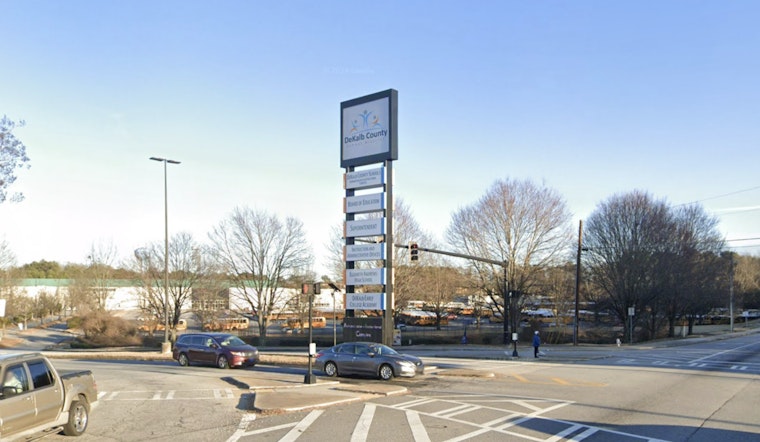
DeKalb County School District is taking some of the biggest names in tech to court, joining a fast-growing national wave of lawsuits that accuse social media companies of building products that hook kids and drain school mental-health resources. District lawyers say DeKalb has already poured millions into counselors, cellphone lockers and classroom interventions, and now wants long-term funding to keep those supports going. The new filing puts DeKalb in a small club of school systems serving as bellwether cases that will help test legal theories for dozens of similar suits around the country.
According to 95.5 WSB, Atlanta attorney Davis Vaughn, who helped win a $6 million verdict in a California trial this year, is part of DeKalb’s legal team and says that result "puts a benchmark down" as they prepare for their own trial. The station reports that DeKalb is seeking to recoup more than $4 million in past costs and is also pursuing roughly $2 billion to underwrite a long-term mental-health plan for students.
The Atlanta Journal-Constitution reports that court filings peg DeKalb’s spending at about $4.3 million so far to respond to student social-media use. Plaintiffs’ experts outlined a 15-year mitigation plan that could cost between $2.4 billion and $4.3 billion, along with about $180 million in lost instructional time. The AJC notes that defendants have pushed back, arguing that DeKalb’s problems also stem from poverty and administrative challenges and pointing out that the district itself uses social platforms for outreach.
Landmark verdicts are changing the math
In March, a Los Angeles jury found Meta and YouTube negligent in a first-of-its-kind trial and awarded the plaintiff $3 million in compensatory damages, then recommended another $3 million in punitive damages. The Associated Press reported that jurors concluded the design of the platforms was a substantial factor in the harms the plaintiff experienced, a finding plaintiffs’ lawyers say could heavily influence future juries.
How DeKalb fits in the national litigation
DeKalb’s case is folded into a federal multidistrict litigation in the Northern District of California, formally known as In re: Social Media Adolescent Addiction, MDL No. 3047. Judge Yvonne Gonzalez Rogers has tapped six school-district lawsuits as bellwether cases, and the first trial involving a school district is expected to start this summer. AboutLawsuits lists DeKalb among the chosen districts and notes that the group was assembled from different regions to see how well the plaintiffs’ theories hold up across varied communities.
Legal implications for schools and tech
The school districts are pressing negligence, failure-to-warn and product-design claims that zero in on features such as infinite scroll, autoplay and aggressive notification systems. Tech companies, in turn, are reaching for familiar shields, including Section 230 protections and First Amendment defenses. So far, courts have allowed design-focused claims to move forward into discovery, and plaintiffs’ lawyers say expert testimony on lost classroom time and the cost of mitigation will be central in those bellwether trials. Firms involved in the litigation, including Motley Rice, say early verdicts will help set expectations around damages and what kinds of remedies judges and juries might be willing to order.
On the ground in DeKalb, all of this is playing out while local leaders tighten phone rules and expand counseling support. In court papers, the district casts the lawsuit as an effort to make social media companies help pay for the very crisis officials say those platforms helped create. Lawyers on both sides agree that the bellwether process will heavily influence how damages get calculated and whether tech firms end up on the hook for sweeping, district-level remedies, but those answers will hinge on trials that have yet to unfold.





