

























































Colorado’s latest budget brawl is unfolding on the pavement. Backers of the Restore Our Roads ballot effort are sprinting to collect signatures for Initiative 175, a proposed constitutional amendment that would lock all motor vehicle and fuel-related taxes and fees into road projects. Petitions are due to the Secretary of State for review on May 27, and if the measure makes the ballot, voters will be asked whether to guarantee a permanent stream of money for highways and bridges or keep those dollars flexible for schools, hospitals, and emergency services. Critics warn the change could siphon hundreds of millions from those programs and box in future legislatures.
What the fiscal analysis finds
According to the nonpartisan fiscal impact statement from Legislative Council Staff, Initiative 175 would require state sales and use taxes, excise taxes, and fees that are tied to motor vehicles and motor vehicle fuels to be used only for “road transportation” beginning Jan. 1, 2027. Analysts project that change would obligate up to $1.02 billion in road spending in the 2026‑27 fiscal year and as much as $2.09 billion in 2027‑28. That includes an estimated redirection of about $538.9 million from the General Fund and roughly $161.6 million from other transit-related cash funds in 2027‑28, a shift the memo says would create a standing new obligation for the state.
Who’s backing the drive
The campaign is powered by construction and aggregate industry groups, along with local elected officials who argue Colorado has underinvested in basic pavement and bridge work for years. The Restore Our Roads coalition highlights support from organizations such as the Colorado Contractors Association and the Associated General Contractors, pitching the amendment as a straightforward way to fix what drivers complain about every day. Industry groups, including the Colorado Asphalt Pavement Association, have been raising money and organizing petition efforts, and the association provides campaign materials and endorsement lists that showcase the breadth of the construction sector’s buy‑in.
Who’s opposing and why
Opposition is coming in just as forcefully from lawmakers and a wide swath of health care, education, and conservation groups who say the measure would cannibalize existing programs. Reporting shows about 46 state lawmakers and roughly 43 organizations, including the Colorado Hospital Association, the Colorado Education Association, Children’s Hospital Colorado, Conservation Colorado, and GreenLatinos, have raised alarms that the ballot language would divert funds from critical services. Critics argue the amendment’s fiscal mechanics could squeeze already tight budgets for hospitals, schools, and emergency response, turning a chronic budget headache into a full‑blown migraine, according to The Denver Post.
Backers point to poor grades and a funding gap
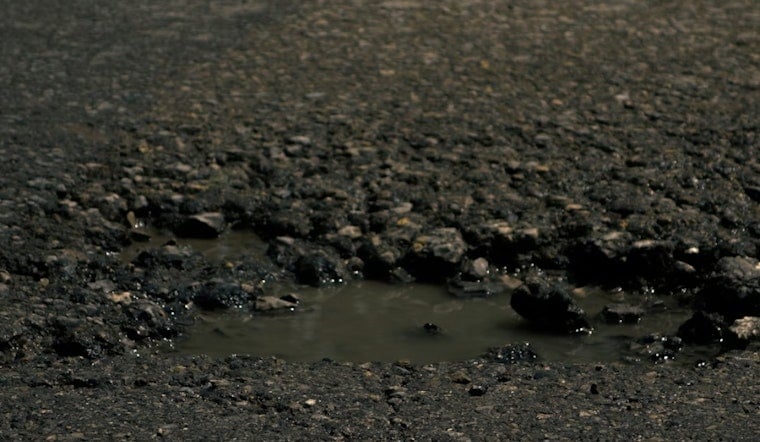
Supporters counter that Colorado’s transportation report card is already flunking and that the status quo is not exactly free. The American Society of Civil Engineers’ Colorado report found only about 34% of state-owned roads in good condition, compared with roughly 45% nationally, a shortfall that they say drivers feel in their suspension and repair bills. Transportation analysts point out that the Colorado Department of Transportation is staring at a roughly $350 million annual shortfall to maintain and improve the system, a gap the campaign uses to argue that a dedicated pot of road money is overdue, as per the American Society of Civil Engineers and TRIP.
Budget trade offs and the clock
All of this is colliding with a state budget that is already under strain. Lawmakers are wrestling with a $46.8 billion spending plan and a roughly $1.5 billion shortfall for the 2026‑27 fiscal year, which makes any large, constitutionally required rerouting of revenue especially high stakes. Reporting on the ongoing budget debates shows that tight margins and one-time fixes have left little room for new permanent obligations, a political reality opponents say Initiative 175 would only intensify, according to Colorado Politics.
Legal and fiscal implications
Because Initiative 175 would amend the state constitution rather than change statute, Legislative Council Staff analysts say it would create a persistent General Fund obligation and could narrow or alter the allowable uses of several transit-related cash funds. That structural shift would reduce lawmakers’ flexibility in future budgets. The fiscal analysis warns that, once locked in, those requirements could make it difficult to balance the budget without major cuts elsewhere or offsetting decisions on revenue, leaving future legislatures with fewer tools when the economy turns.
What’s next
Leaders of Restore Our Roads say they remain open to conversations about long-term transportation funding options even as they push ahead with signature gathering. Campaign filings list former Denver Mayor Michael Hancock as the registered agent for the effort, a sign that high-profile political figures are already staking out their positions. With validated petitions due to the Secretary of State on May 27, both the campaign and its opponents are gearing up for Initiative 175 to be a central budget fight heading into the November ballot, according to The Denver Post and Restore Our Roads.





