

























































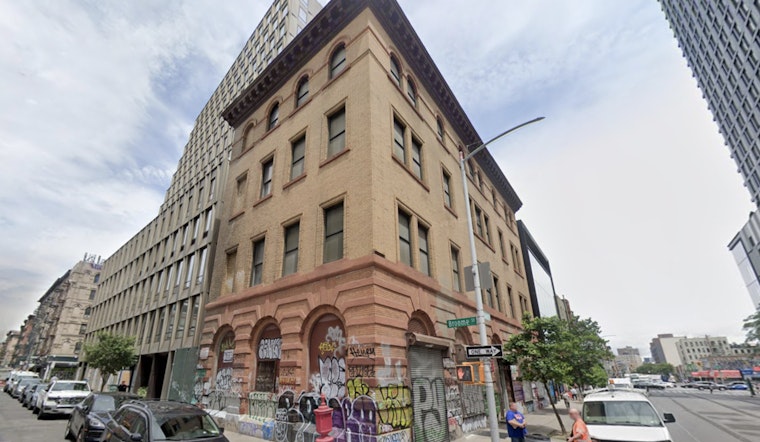
A new player has quietly taken control of 75 Essex Street, the long-time home of the Eisner Bros. T-shirt warehouse, ending months of nail-biting legal drama that had the property staring down a lender-led sale. The deal hands a storied Lower East Side building with deep retail roots to a fresh developer at a moment when downtown Manhattan real estate is anything but predictable. Neighbors and preservation watchers say the transfer immediately revives an old question: will the historic facade survive, or is a full rebuild now on the table?
According to Crain's New York Business, a buyer identified as Artifact stepped in after lender actions put the building on a path toward a potential foreclosure auction. Crain's reports that the sale follows extended disputes over construction financing and creditor moves that had hovered over the property for months. The outlet notes that neither the buyer nor the seller immediately laid out detailed redevelopment plans, leaving locals to read tea leaves instead of blueprints.
Historic fabric and past proposals
The late 19th-century building at 75 Essex once housed the Eastern Dispensary, a past that has long caught the eye of preservation-minded observers, as detailed by The Real Deal. Developers have circled the site for years. In 2022, SoftStone filed permits for a multi-story residential conversion that would have added new floors above the existing facade, sparking debate over whether to retain the original exterior or clear the site for something entirely new. That history of ambitious plans, followed by delays and permit filings that went nowhere fast, helps explain why this latest sale landed with more impact than a routine deed transfer.
Bankruptcy and foreclosure trail
Court records reviewed on Inforuptcy show that the ownership entity, 75 Essex Corner LLC, filed for Chapter 11 protection in March 2025 and continued submitting monthly operating reports into 2026. That bankruptcy track intersected with lender litigation seeking to foreclose on construction debt, setting up the legal runway that allowed an outside buyer to step in and acquire the asset. With that backdrop, any new redevelopment push will almost certainly have to navigate remaining creditor claims and the contours of the Chapter 11 process.
What to watch next
Artifact’s purchase does not yet answer the big questions: will the new owner try to revive earlier permits, go back to the drawing board with fresh plans, or double down on preserving the historic facade. Reporting on the site’s past redevelopment efforts notes that the property sits near major Lower East Side projects and has already drawn community and preservation scrutiny in prior years. That history suggests that filings at the Department of Buildings and any steps toward landmark or related reviews will be followed closely. The earliest clues are likely to show up as new DOB filings, public-meeting notices, and entries in the city register.
Legal implications
Because the sale took place against a backdrop of bankruptcy and foreclosure actions, how proceeds are distributed and who ultimately controls development rights may still be affected by claims in the bankruptcy docket, according to the court records on Inforuptcy. Any would-be builder will also need signoff from the Department of Buildings and could run into neighborhood review processes that have a tendency to stretch out timelines. For the moment, though, the foreclosure threat has given way to a new chapter, with Artifact now holding responsibility for what comes next as the community and city agencies keep watch.





