

























































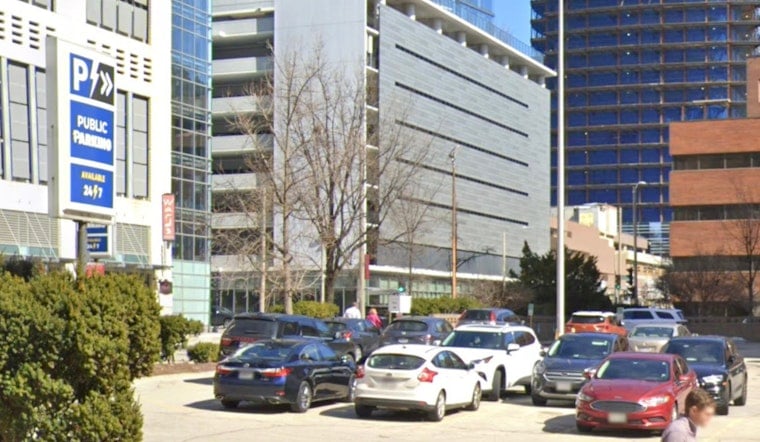
Downtown Milwaukee drivers say quick stops are turning into pricey headaches, with some private parking lots slapping them with $90 "notices of non-compliance" just minutes after they have already paid. The surprise bills, which often warn of possible debt collection if unpaid, have been circulating on neighborhood forums and showing up in local TV coverage, and many frustrated motorists say fixing the problem means uploading receipts and waiting for someone to reverse the charge.
One incident, covered locally, involved a driver who says he paid to park at a Power Parking lot at E. Clybourn and N. Broadway, only to find a $90 notice on his vehicle time-stamped four minutes after his payment. He told reporters the citation warned that any unpaid balance could be turned over to a debt collector after 30 days. The same coverage highlighted a second driver whose emailed receipt showed just a one-minute gap between payment and citation at a different downtown lot, and both cases were detailed in reporting by TMJ4.
How These Notices Are Cranked Out
The notices in question do not come from city parking enforcement. They are typically generated by third-party contractors hired by private lot owners. Parking Revenue Recovery Services (PRRS), the company named on several Milwaukee notices, describes its tickets as contractual "notices of non-compliance" and says on its website that drivers can dispute a notice online if they believe it was issued in error.
Trade coverage of automated, camera-based "free-flow" enforcement systems explains that tools such as license-plate recognition and data sharing between payment apps and enforcement software can sometimes fall out of sync. When that happens, timing gaps can pop up between when a driver pays and when the system registers the payment, which can result in erroneous notices in at least some cases.
Regulators Watching, Consumers Complaining
PRRS has already drawn official scrutiny elsewhere. Last year, Connecticut's Department of Banking issued a temporary order directing the company to halt certain collection activities and make restitution, stating that PRRS had collected consumer debts without holding the license that state law requires. The order also compelled PRRS to produce records of its notices and to refund money that had been improperly collected. The case shows how private parking enforcement practices can cross the line into the realm of state consumer-protection enforcement when processes fail.
Power Parking Responds, Drivers Push Back
Power Parking, which operates the downtown Milwaukee lots at the center of the recent complaints, told reporters it investigated the incidents and found them unacceptable. The company said it would "work with vendors to ensure such issues are mitigated and a review of processes in place." Drivers who end up with a notice are urged to hang on to every scrap of proof that they paid, including screenshots and emailed receipts, then submit that evidence through the appeal portal or contact information listed on the citation. PRRS's public materials outline its dispute procedures and encourage motorists to upload receipts when challenging a charge.
If a parking vendor or enforcement company does not fix what a driver believes is a bad notice, consumer advocates say people can document the back-and-forth and consider taking their complaints to state consumer-protection officials.
Legal Fights Around Automated Enforcement
Beyond Milwaukee, PRRS has been named in broader industry litigation involving automated enforcement technology, according to court and trade coverage. The disputes underline how the legal status and business practices of private parking vendors continue to be contested in multiple arenas. Those fights, together with regulatory orders in other states, do not immediately change what happens in a Milwaukee surface lot, but they do indicate that companies leaning heavily on automated enforcement are drawing closer scrutiny from regulators and plaintiffs' lawyers.
For now, local drivers say the best short-term defense is practical: save every payment confirmation, contest any questionable notice quickly using the web form listed on the citation, and keep following up with the lot operator until a paid session is cleared. The recent complaints have already prompted at least one local provider to review its vendor processes, and the steady chatter online suggests plenty of Milwaukee drivers will be watching closely for repeat problems.





