

























































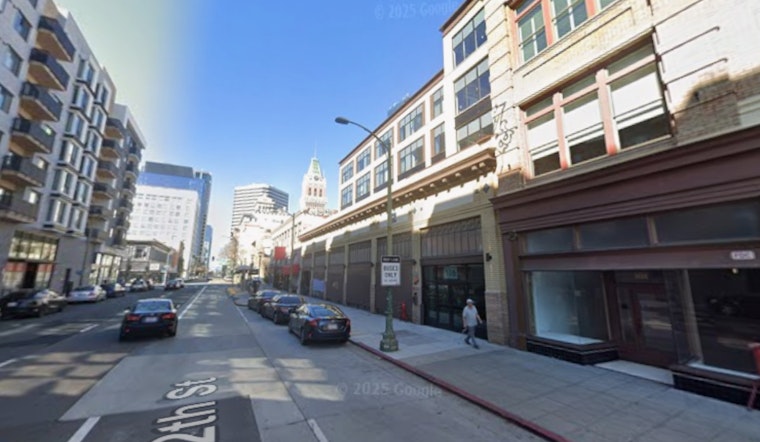
Downtown Oakland just saw a brand‑new apartment building change hands for about $8.1 million, and that number is turning heads. The mixed‑use property at 316 12th Street, a five‑story infill project with 27 apartments over ground‑floor retail, sits only a few blocks from the 12th Street BART station. The sale lands well below what many would expect for a recently completed multifamily project and adds to the sense that parts of the East Bay market are still under pressure as investors and lenders reset their expectations.
Sale and buyer details
According to the San Francisco Business Times, the property was sold today for $8.1 million to an entity affiliated with WSB Properties. The outlet characterized the deal as a sizeable markdown compared with earlier notions of what the asset might fetch, underscoring how far pricing has slid for some downtown multifamily product.
What the building is
City records and the developer’s own materials describe the project as a five‑story, mass‑timber retrofit totaling roughly 35,700 square feet. The conversion tucked 27 residential units behind a preserved historic masonry façade, keeping the original streetfront presence intact while building out modern rental layouts behind it. Both the City of Oakland documents and the developer’s project page highlight that balance of historic character and contemporary interiors.
How it was marketed
Brokerage materials pitched the property as a compact, transit‑oriented multifamily investment, with an asking price in the neighborhood of $8 million. During the marketing process, the listing packet and photos appeared on Showcase, laying out the price‑per‑unit metrics and cap rate that helped draw investor interest to the newly delivered building.
Why the discount matters
Coverage of the transaction places it alongside a string of recent East Bay apartment deals where buyers are paying what industry observers say is below theoretical replacement cost, a pattern noted by the Business Times. Those discounts reflect tighter financing conditions combined with a broader re‑pricing of risk for downtown assets, a mix that is giving well‑capitalized investors a shot at acquiring core‑location properties at lower entry points than in prior cycles.
What comes next
So far, there are no public filings that point to any immediate redevelopment plans or a change in the building’s use. Any future moves by the new owner are likely to surface first in city permit records and other public documents. In the meantime, this latest trade is expected to sharpen investor focus on downtown Oakland as owners weigh whether to hold tight or reposition properties in a market that is still working through the aftershocks of recent capital market shifts.





