

























































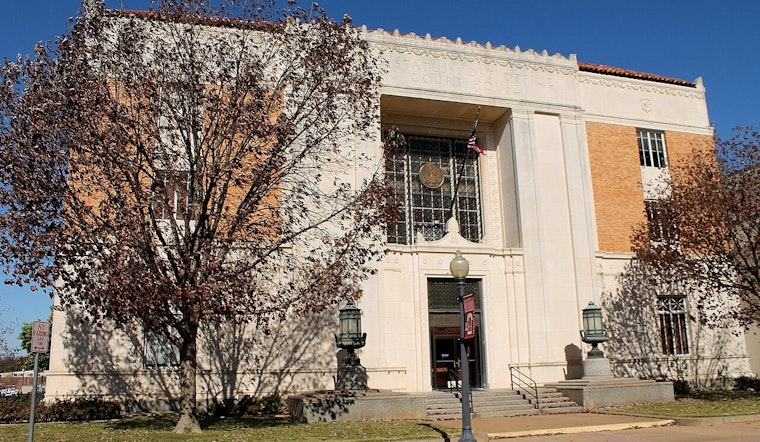
A federal judge in Tyler, Texas, has yanked the plug on a closely watched deal that could have let churches openly endorse political candidates while keeping their 501(c)(3) tax-exempt status. U.S. District Judge J. Campbell Barker said he did not have the authority to sign off on a consent judgment that would effectively change how the Johnson Amendment is enforced. The move keeps the long-standing restriction in place and sends the fight back into the courts.
The lawsuit was brought by two Texas churches and several national Christian groups, including the National Religious Broadcasters, who argued that the Johnson Amendment unlawfully chilled sermons and internal church communications. Both the plaintiffs and the IRS jointly asked the court to approve a settlement in which the IRS agreed not to enforce the ban against the named churches, according to the Texas Tribune.
Judge's ruling: courts can't block taxes before they're assessed
Barker rejected the request on jurisdictional grounds, pointing to the Tax Anti-Injunction Act and the Declaratory Judgment Act, which generally bar pre-enforcement lawsuits that would restrain tax collection. In an opinion, the court said approving the settlement “would thus directly bear on the amount of tax that could be collected,” and therefore exceeded the court’s power, according to CourtListener. Barker noted that plaintiffs typically must wait for any tax assessment and then pursue a refund action if they want to challenge the tax consequences.
How the proposed deal came together
In July 2025 the IRS joined the plaintiffs in a joint motion asking the court to enter a consent judgment that would have carved out “bona fide communications internal to a house of worship” from the Johnson Amendment’s reach. The proposed decree argued that internal worship communications do not “participate” or “intervene” in political campaigns and asked the court to make that interpretation binding. The joint motion and draft consent judgment were filed in the court record and are available at KPMG.
Reactions split along predictable lines
The proposed settlement drew praise from conservative religious groups that said the change would protect pulpit speech, while church-state advocates warned it could turn houses of worship into political platforms. Americans United for Separation of Church and State applauded Barker’s decision, calling the Johnson Amendment a “strong bulwark” against extremists, per the Texas Tribune. Other religious bodies, including the U.S. Conference of Catholic Bishops, said they would continue to avoid endorsing political candidates and noted that the IRS filing did not change their internal practice (USCCB).
Legal implications for churches and donors
The ruling underscores that federal courts are tightly limited when it comes to granting pre-emptive tax relief. If a congregation wants a definitive ruling, it may have to risk its tax-exempt status, wait for an IRS action, and then sue for a refund. Barker’s opinion relies on long-standing tax-jurisdiction precedents and stresses that a consent judgment here could have effectively prevented future tax assessments, according to CourtListener. Lawyers note that the decision does not end the broader debate, since plaintiffs can still appeal or bring a new case after any enforcement action.
What’s next: appeals and politics
National Religious Broadcasters says it plans to appeal Barker’s ruling to the Fifth Circuit and argues that an exception to the Anti-Injunction Act should allow the case to move forward, according to reporting by the Houston Chronicle. The case has become politically charged: the Justice Department under President Biden defended the Johnson Amendment, while the Trump-era DOJ later reversed course and sided with the plaintiffs. Legal experts expect appeals and follow-on litigation that could test the Johnson Amendment in new ways.
For Texans and congregations nationwide, Barker’s order keeps the status quo in place and signals that any real policy shift is likely to come from Congress or after a future enforcement test. Whatever happens next, the ruling makes clear that judges are wary of using settlement power to change tax law, and that the debate over politics in the pulpit will keep shaping elections and civic life.



