

























































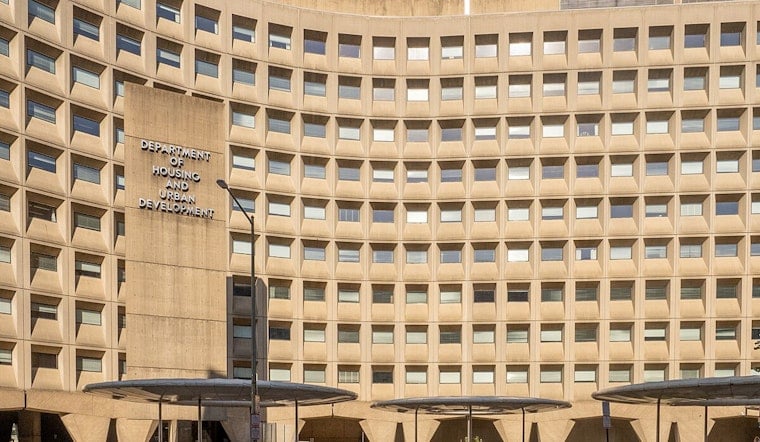
Real estate agents across the country just got the federal OK to talk openly about neighborhood crime rates and school quality again, as long as they play it straight and play it the same with everyone.
HUD's fair‑housing office told housing pros in an April 24 "Dear Colleague" letter that answering buyers' and renters' questions about crime and schools is lawful when the information is provided consistently and without discriminatory intent. The guidance is meant to thaw a years‑long chill in the industry that saw some brokerages and listing platforms strip out or hide neighborhood data for fear of fair‑housing trouble.
According to HUD, the department's Office of Fair Housing and Equal Opportunity sent the letter to state and local housing groups and real‑estate professionals to clarify that answering nonracial questions about school quality and public‑safety statistics does not automatically violate the Fair Housing Act. Secretary Scott Turner said in the agency release that Americans "should not be left in the dark about vital facts like neighborhood safety or school quality."
What Trainor's Letter Says
Assistant Secretary Craig Trainor, who authored the memo for HUD's FHEO, wrote that "real estate agents and brokers do not violate the Fair Housing Act merely by discussing" school quality or crime, so long as they do it in a consistent way and without discriminatory intent. The letter tells Fair Housing Assistance Programs (FHAPs) not to issue discrimination findings solely because an agent answered nonracial questions about schools or crime, and instructs Fair Housing Initiatives Program (FHIP) grant recipients not to use federal funds to pursue complaints based only on those practices, according to HUD's Office for Fair Housing and Equal Opportunity.
Platforms And The Industry Chill
The clarification lands after several big listing sites pulled back neighborhood overlays starting in 2021, worried that supplying crime and school data might feed racial bias or be used as a proxy for it. As reported by Crain's Chicago Business, Realtor.com and others removed or restricted some neighborhood information, and trade guidance urged agents to steer clear of direct commentary on safety and school performance. Realtor.com itself explained in a prior help article that it had taken down certain crime widgets and would review how to present reliable data going forward.
Legal Implications
The Fair Housing Act bars discrimination in housing based on protected characteristics, and courts and regulators have long focused on unequal treatment and intent, not every uneven outcome. Under federal law, so‑called "steering" claims generally require some evidence that buyers were directed differently because of race or another protected trait, as reflected in the Fair Housing Act's statutory text and explanation at 42 U.S.C. § 3604, hosted by the Cornell Legal Information Institute. That is the core legal point Trainor leans on: neutral data shared in the same way with all clients is not the same thing as unlawful steering.
What Buyers And Agents Should Do Now
HUD's letter gives agents more room to answer practical questions while reminding them to be consistent and document how they provide information. Expect brokerages and listing services to revisit internal policies and training materials, and for local fair‑housing offices to update their own guidance. Critics of the administration's fair‑housing leadership have already flagged concerns about broader enforcement shifts, as reported by National Mortgage News.
For buyers and renters, the basics still matter most: checking school‑district websites, state education report cards, local police reports and multiple independent crime‑map services to get a fuller picture of a neighborhood. For agents, HUD's advice can be boiled down to a simple rule of thumb: answer nonracial questions the same way for every client, and keep a record of the neutral sources you share.





_(53840390494).jpg)