

























































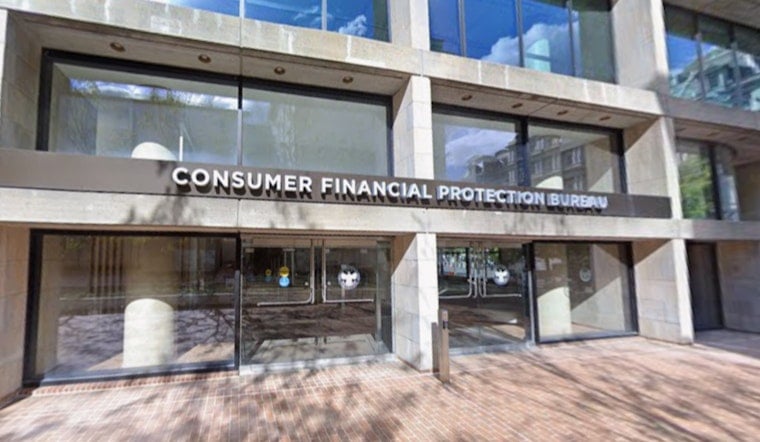
The Consumer Financial Protection Bureau has locked in a slimmed-down version of its long-running "small business census" rule, cutting back on how much demographic and product data lenders must collect from small-business loan applicants. The move pulls federal reporting closer to industry and privacy concerns, and it reopens a heated fight over how the government tracks lending to women- and minority-owned firms.
As reported by Reuters, the bureau has finalized revisions to the March 2023 Section 1071 rule and sent a final "reconsideration" package into the White House review pipeline. The filing, logged on RegInfo/OIRA under RIN 3170-AB40, shows the package was received by the Office of Information and Regulatory Affairs on April 16, 2026, which starts the formal review clock. That procedural move signals internal sign-off at the CFPB while leaving the public release and exact compliance dates in OIRA’s hands.
What the New Rule Does
The reconsideration trims back the 2023 rule on several fronts. It narrows which credit products are covered, raises the threshold for which lenders have to report, and cuts some of the optional demographic questions, including a proposed LGBTQI+ data point and certain free-form fields. Legal analysis on JD Supra notes that the draft would also lift origination thresholds, reducing the number of institutions that must provide data, and would push most lenders’ effective start date to January 1, 2028.
Bank Groups Say the Change Was Overdue
Industry groups, which had blasted the original rule as unworkable, are treating the overhaul as a long-awaited correction. The Texas Bankers Association said it was "very pleased" to see the CFPB reissue the rule to fix what it called serious flaws in the 2023 version. The Independent Community Bankers of America praised the reconsideration for easing what it described as "intrusive and overly burdensome" reporting demands. Bank trade groups argue that a narrower rule will better protect relationship lending and keep compliance costs from landing on borrowers’ backs.
Civil-Rights Groups Warn of a Data Gap
Civil-rights advocates see the same revisions as a step backward. The National Community Reinvestment Coalition has warned that shrinking the dataset would undercut Section 1071’s core purpose of spotlighting discrimination and credit gaps. The Center for Responsible Lending and allied civil-rights groups argued in formal comments that the changes would weaken enforcement tools and make it harder to build the evidence base needed for targeted help to minority- and women-owned small businesses.
Legal and Compliance Timeline
The 2023 rule has been tied up in court challenges and multiple stays, and the CFPB has already pushed back compliance dates through interim rules to avoid sudden disruption. A Federal Register notice finalizing extended deadlines in 2025 set staggered compliance windows that were nudged into 2026 and 2027, and the bureau’s April submission to OIRA effectively restarts the rulemaking clock. Until OIRA finishes its review and a new notice appears in the Federal Register, the final publication date and detailed compliance schedule will remain in flux. Stakeholders on all sides are now watching those two steps as the key milestones.
For small businesses, the real-world impact will hinge on whether lenders keep voluntarily collecting demographic or pricing data while the rule is in limbo. The CFPB has said it will post guidance and technical materials on its Section 1071 landing page to help lenders gear up for whatever the final reporting regime looks like. For now, the fight has shifted squarely into the regulatory and legal arena, with industry groups applauding the retrenchment and civil-rights organizations preparing to push back if the final text strips out too much of the original dataset.


